IRS Greenlights Staking Rewards for Regulated Crypto Investment Trusts
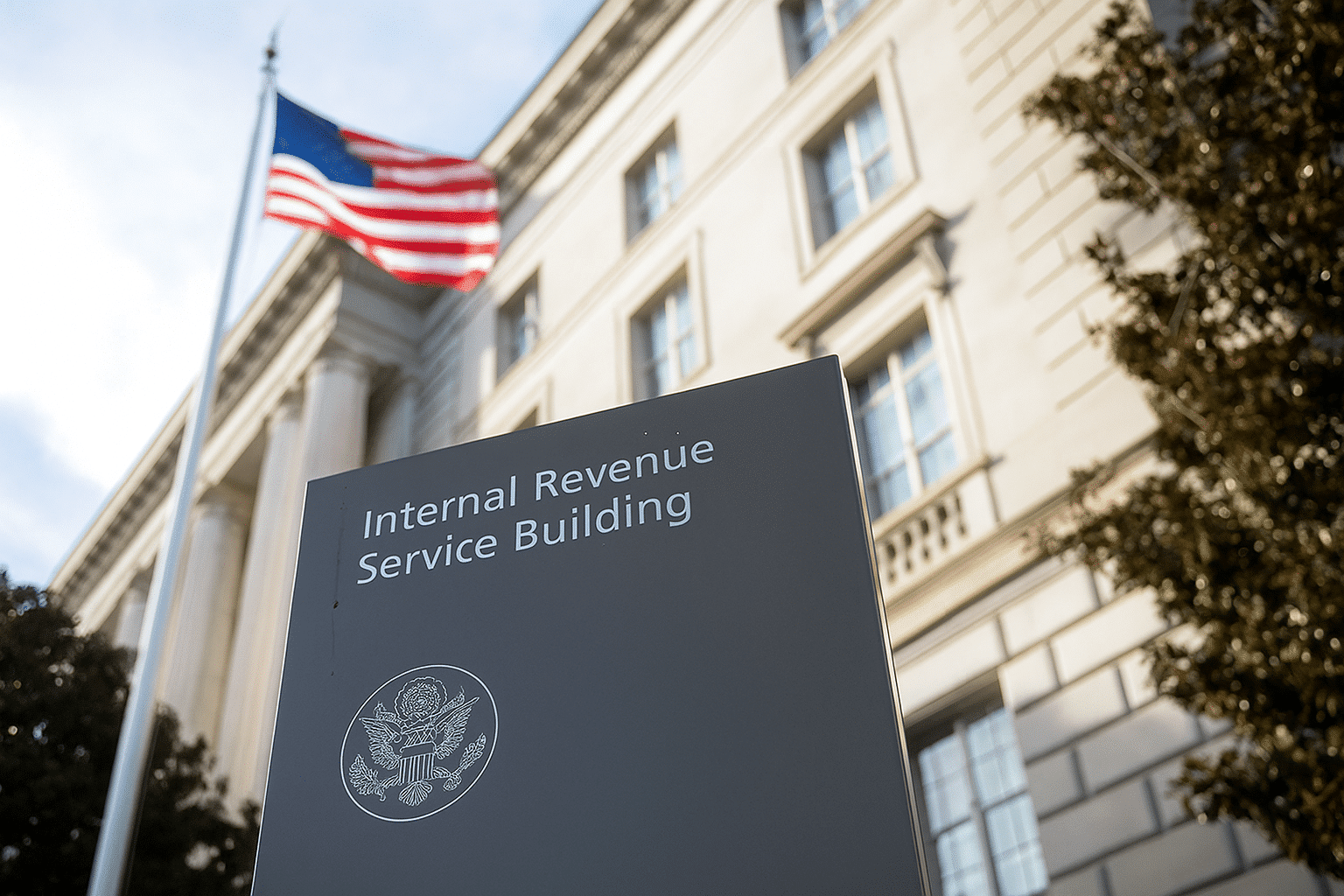
In a move widely seen as a breakthrough for digital asset regulation, the U.S. Internal Revenue Service (IRS) announced a new safe harbor on Monday that allows crypto exchange-traded products (ETPs) to share staking rewards with their investors.
The decision provides long-sought clarity for asset managers and could pave the way for broader integration of staking within regulated financial products.
The new guidance, effective immediately, permits investment and grantor trusts to stake their digital assets without endangering their federal tax status.
This ruling addresses one of the key uncertainties that has hindered crypto ETP issuers and custodians from offering staking-related returns to investors, particularly in proof-of-stake (PoS) networks such as Ethereum.
Also read: Altcoins with High Staking Rewards: Earn Passive Income in Crypto
A Regulatory Breakthrough for Staking
Under proof-of-stake mechanisms, participants secure blockchain networks by locking up digital assets—like ETH—in exchange for periodic rewards. However, until now, questions surrounding tax treatment and compliance requirements prevented U.S. ETPs from passing these rewards to shareholders.
The IRS stated that, under specific conditions, trusts can “stake their digital assets without jeopardizing their tax status as investment trusts and grantor trusts for Federal income tax purposes.â€
The announcement removes a major compliance obstacle, creating new opportunities for fund sponsors to incorporate staking yields into regulated investment products for the first time.
Treasury Secretary Scott Bessent hailed the decision on social media, calling it a “clear path†for crypto ETPs to stake digital assets and share staking rewards with retail investors.
He said the policy “increases investor benefits, boosts innovation, and keeps America the global leader in digital asset and blockchain technology,†echoing President Donald Trump’s broader pro-crypto stance.
A Step Toward Institutional Acceptance
The ruling could mark a pivotal moment for the institutional adoption of staking, which has rapidly grown as networks like Ethereum transitioned to PoS.
Bill Hughes, senior counsel and director of global regulatory matters at Consensys, described the change as “a major legal†breakthrough that removes the barriers discouraging regulated entities from staking on behalf of investors.
“More regulated entities can now stake on behalf of investors, likely increasing staking participation, liquidity, and network decentralization,†Hughes wrote in a post on X.
He added that the IRS’s move provides “long-awaited regulatory and tax clarity,†which could spur participation from major custodians, fund managers, and financial institutions that had previously stayed on the sidelines.
For years, U.S. crypto ETP issuers faced a patchwork of regulatory guidance that limited their ability to incorporate staking rewards into fund structures.
The Securities and Exchange Commission (SEC) had clarified earlier this year that staking—when conducted through compliant channels—does not inherently violate securities laws, but ambiguity around tax status still discouraged participation.
Monday’s IRS decision resolves that issue, aligning federal tax policy with existing securities guidance and offering a comprehensive framework for staking-related products.
Also read: Yield Farming vs Staking: Key Differences Explained
Industry Sees Broader Implications
Industry experts have been quick to frame the new safe harbor as a catalyst for both innovation and competitiveness in U.S. crypto finance. The ability for trusts to earn and distribute yields without violating tax rules could give American asset managers a global advantage, particularly as Europe and Asia continue to expand their own crypto ETP markets.
“It effectively removes a major legal barrier that had discouraged fund sponsors, custodians, and asset managers from integrating staking yield into regulated investment products,†Hughes said.
The change is also expected to deepen market liquidity and decentralization across key PoS networks. As more funds participate in staking, a greater share of digital assets may become locked in network validation, which strengthens blockchain security and reduces token float. That, in turn, can influence both price stability and investor confidence in the long term.
A Policy Shift Amid Agency Turmoil
Despite the policy breakthrough, the IRS’s crypto division has faced internal challenges in recent months.
The office, tasked with overseeing digital asset taxation and compliance, has experienced significant leadership turnover amid staffing and budget cuts under the Trump administration. Several senior managers have reportedly departed this year, raising concerns about the agency’s ability to sustain complex regulatory initiatives.
Also read: Staking vs Mining: Which is Better?
Implications for Crypto ETP Growth
Crypto exchange-traded products have gained momentum in the U.S. following the approval of spot Bitcoin ETFs earlier this year, signaling mainstream acceptance of digital assets as investment vehicles.
However, the lack of clarity around staking had hindered the expansion of similar products for proof-of-stake cryptocurrencies like Ethereum, Solana, and Cardano.

Top Proof-of-Stake cryptos by market cap (Source: CoinGecko)
With this new IRS guidance, analysts believe fund issuers may soon pursue staking-enabled ETPs that generate passive income for investors—similar to dividend-paying stock ETFs. By formally recognizing staking participation as compatible with investment trust status, the IRS has effectively opened the door to a new class of yield-generating digital asset products.


