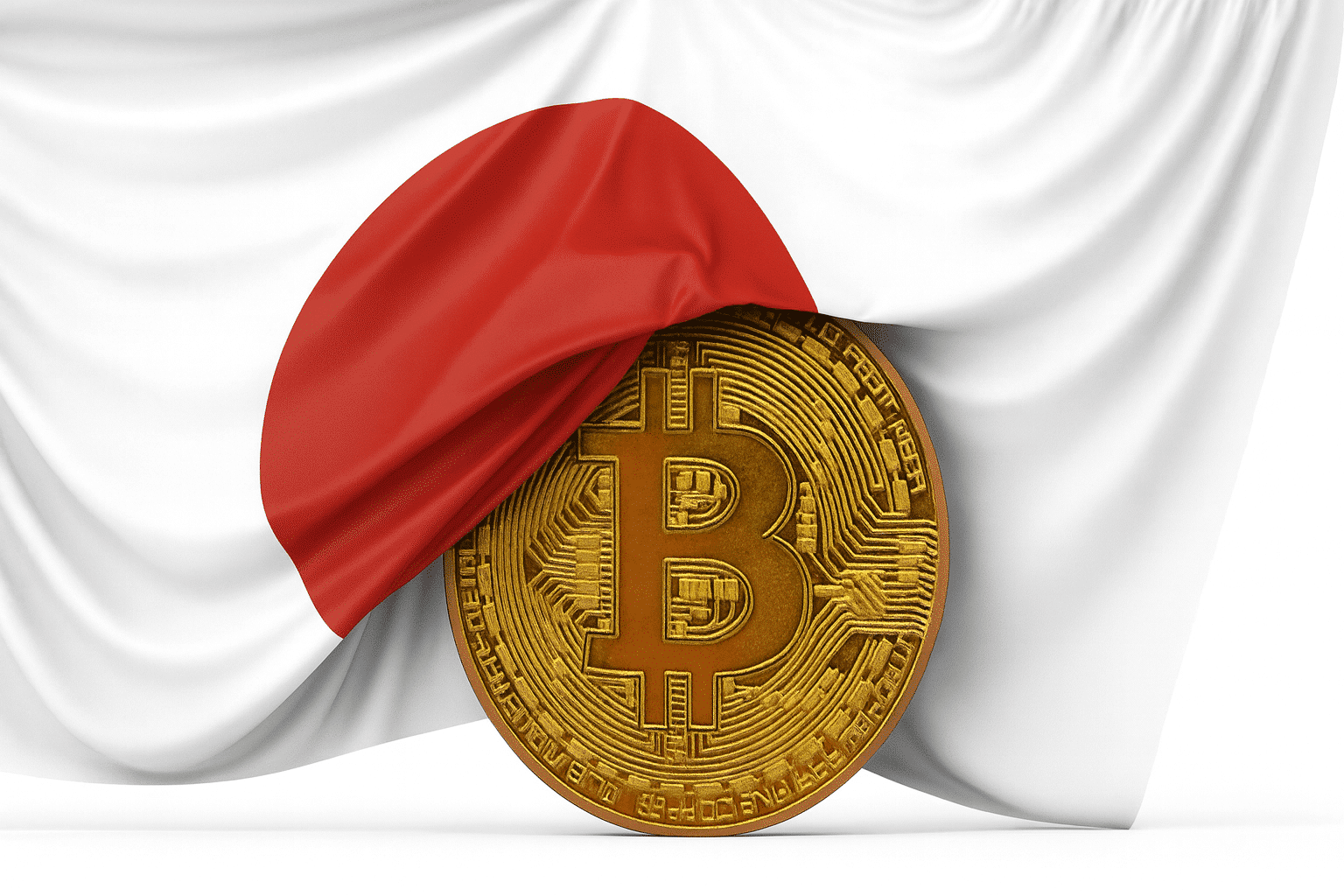
Japan Proposes Flat 20% Crypto Tax in Major Overhaul to Boost Market Growth
Tokyo is poised to implement a significant reform to its cryptocurrency taxation framework, proposing a flat 20% levy on digital asset gains.
The strategic move, detailed by Nikkei, aims to bring the taxation of cryptocurrencies in line with traditional investment vehicles such as equities and investment trusts, marking the most substantial policy update for Japan’s crypto sector in several years.
The initiative underscores a growing consensus among Japanese regulators that digital assets have matured into a legitimate, mainstream investment class worthy of a more standardized and less onerous tax treatment.
Current Regulatory Landscape and its Challenges
For an extended period, retail cryptocurrency traders in Japan have navigated a progressive tax system that subjected their capital gains to rates as high as 55%.
The steep and often prohibitive tax burden has been widely cited as a significant deterrent to domestic crypto activity, stifling innovation, discouraging investment, and potentially prompting some traders and businesses to seek more favorable jurisdictions.
Under the current regime, crypto profits are typically categorized under “miscellaneous income,” where they are aggregated with other forms of income, pushing individuals into higher tax brackets based on their total earnings.
Also read: Japan Proposes Classifying Crypto as Financial Products, Imposing New Disclosure Rules: Report
The Proposed Reform: A New Era for Digital Assets
The proposed overhaul seeks to fundamentally transform the current landscape by introducing a uniform 20% tax rate on cryptocurrency profits.
This rate would be applied under Japan’s “separate-taxation framework,” an established system where certain income streams are taxed independently from an individual’s primary wages or business earnings.
That means that regardless of a trader’s overall income level, their crypto gains would be subject solely to the 20% flat rate, offering predictable and significantly lower taxation for many. The proposed 20% levy itself will be divided, with 15% allocated to the national government and the remaining 5% directed to regional authorities, mirroring the structure applied to other investment income.
Government Backing and Implementation Timeline
The significant legislative change is not merely a speculative proposal; it is actively backed by both the Japanese government and the ruling coalition. This strong political consensus suggests a high likelihood of its successful implementation.
The specifics of the reform are anticipated to be formally written into the 2026 tax reform package. This comprehensive package is traditionally finalized by the end of December of each year, suggesting that the new crypto tax rules could be enshrined in law by the end of 2024, with full implementation likely by the 2026 tax year. The lead-up to this finalization will involve discussions and potential refinements, but the core intention of a flat 20% rate appears firm.
The deliberate timeline allows for market participants to adjust and for the necessary administrative frameworks to be put in place, ensuring a smooth transition for both taxpayers and regulatory bodies.
Also read: Tokenized Stocks Go Mainstream as Japan Prepares 2026 Rollout
Market Context and Expected Impact
The timing of this proposed tax cut is particularly noteworthy as it coincides with a period of sustained growth within Japan’s regulated cryptocurrency exchanges.
The Japan Virtual and Crypto Assets Exchange Association (JVCEA) recently reported robust activity, with spot trading volumes on local exchanges surpassing an impressive $9.6 billion in September alone.
With a more equitable and predictable tax environment, analysts anticipate a potential surge in trading volumes, increased investment in Japanese crypto ventures, and a broader embrace of digital assets across the population.
Lowering the tax barrier is expected to not only incentivize existing traders but also attract a new cohort of investors who may have previously shied away.
Also read: Japan’s $90B Stimulus Could Send Bitcoin to $1 Million, Says Arthur Hayes
Furthermore, aligning crypto taxation with traditional assets could foster greater legitimacy for the industry, potentially paving the way for more sophisticated financial products and services involving digital assets within Japan’s regulated financial sector.
That could solidify Japan’s position as a leading jurisdiction for cryptocurrency innovation and adoption, potentially drawing in both domestic and international capital.


