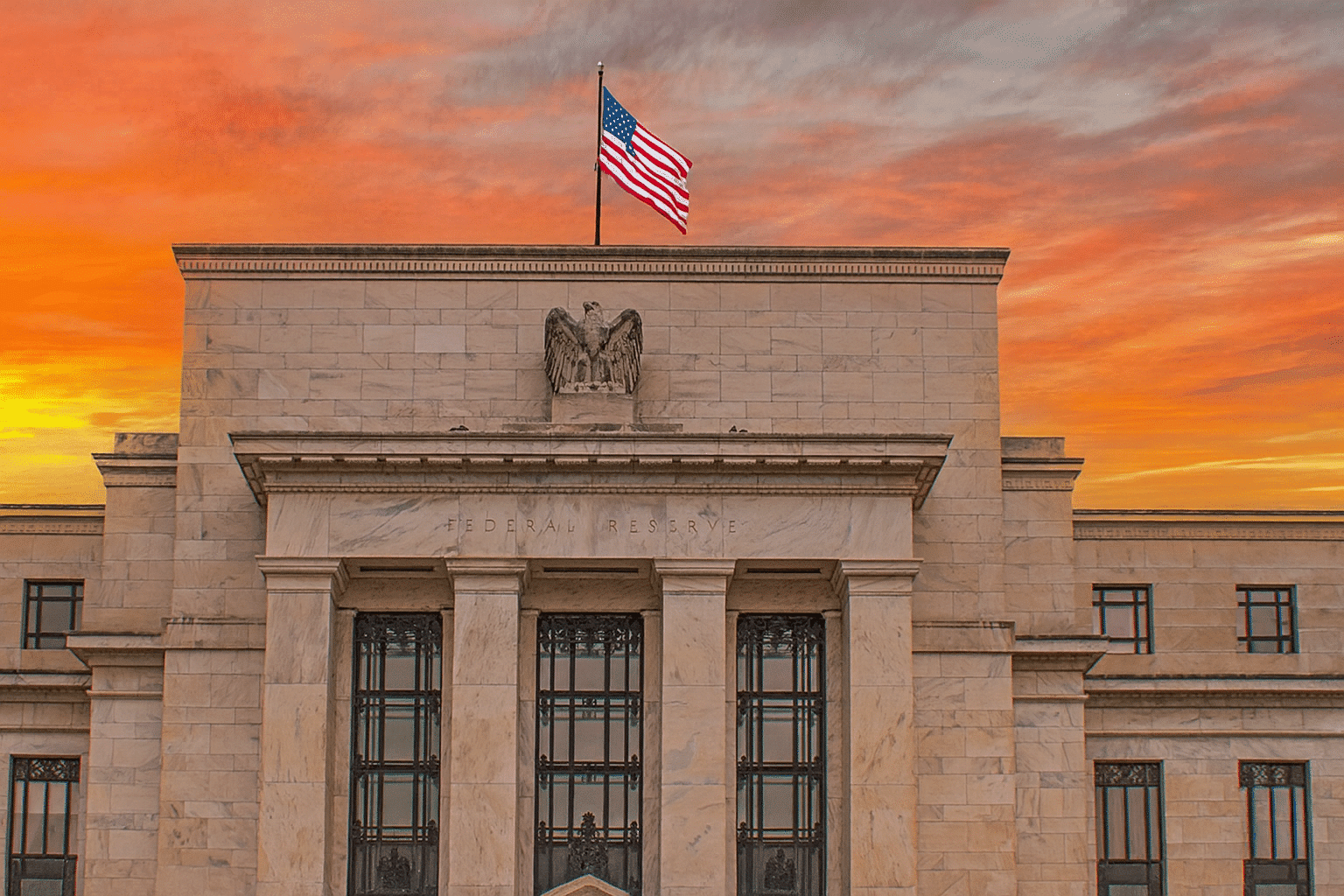
Five Pro-Crypto Contenders Emerge to Lead the Federal Reserve After Powell
A changing of the guard may be coming to the world’s most influential central bank — and for the crypto industry, the timing could not be better.
Treasury Secretary Scott Bessent confirmed that second-round interviews for the next Federal Reserve Chair are about to begin, setting up a decision that could be finalized by the end of the year.
In an unexpected twist, all five frontrunners reportedly under consideration share one thing in common: they’re supportive of digital assets and blockchain innovation.
Christopher Waller: The Fed Governor Embracing DeFi
Among the candidates, Christopher Waller stands out as one of the most outspoken advocates for integrating crypto into mainstream finance. Waller, a current Fed governor, has likened Bitcoin to “electronic gold†and argued that stablecoins could foster competition and lower transaction costs.
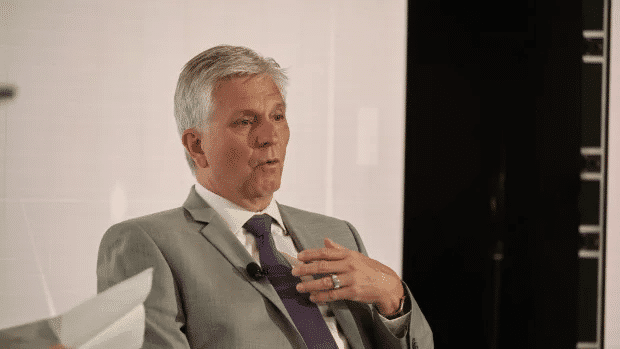
He has also urged the U.S. central bank to give crypto firms direct access to the Fed’s payment infrastructure — eliminating the need to rely on traditional banks.
“This is a new era for the Federal Reserve in payments,†he declared. “The DeFi industry is not viewed with suspicion or scorn.â€
To Waller, digital assets are no longer speculative experiments.
“They are increasingly woven into the fabric of payment and financial systems,†he said — a statement that signals just how far the Fed’s internal perspective has shifted in recent years.
Michelle Bowman: Learning by Doing
Michelle Bowman, the Fed’s current vice chair, believes the institution needs to take a more hands-on approach to understanding crypto.
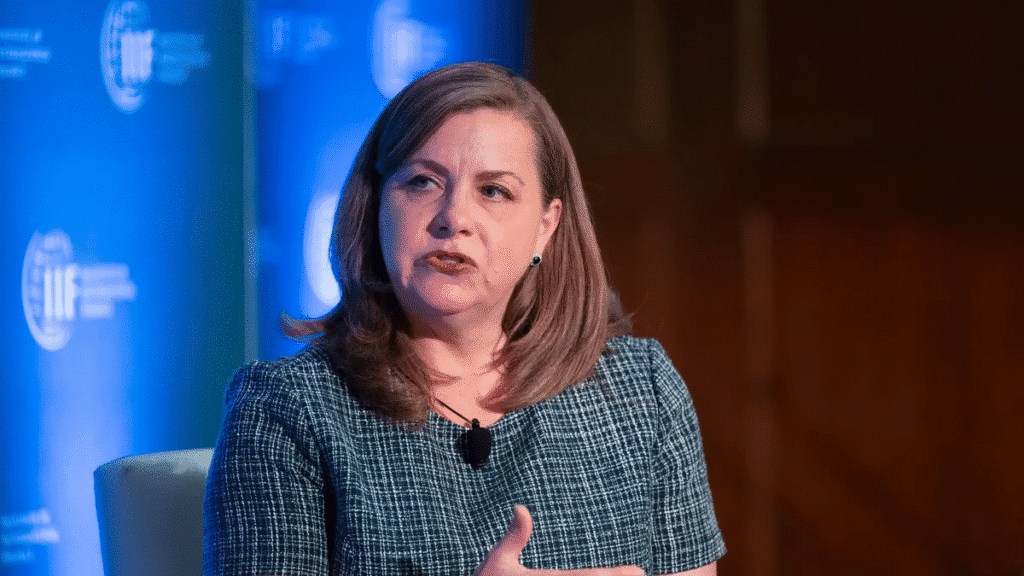
Over the summer, she criticized regulators for maintaining what she called an “overly cautious mindset,†and suggested that Fed employees should be allowed to own small amounts of digital assets to better understand how they function.
“I certainly wouldn’t trust someone to teach me to ski if they’d never put on skis,†Bowman said. “Regardless of how many books or articles they’ve read about it.â€
Her comments struck a chord with Bitcoin supporters, many of whom have long argued that policymakers simply lack practical experience with blockchain technology.
Kevin Warsh: The Pragmatist Balancing Crypto and the Dollar
Former Fed governor Kevin Warsh brings a more measured tone to the conversation.
Once a contender to serve as treasury secretary in Donald Trump’s second term, Warsh has invested early in several crypto ventures — including the now-defunct algorithmic stablecoin project Basis and the digital asset manager Bitwise.
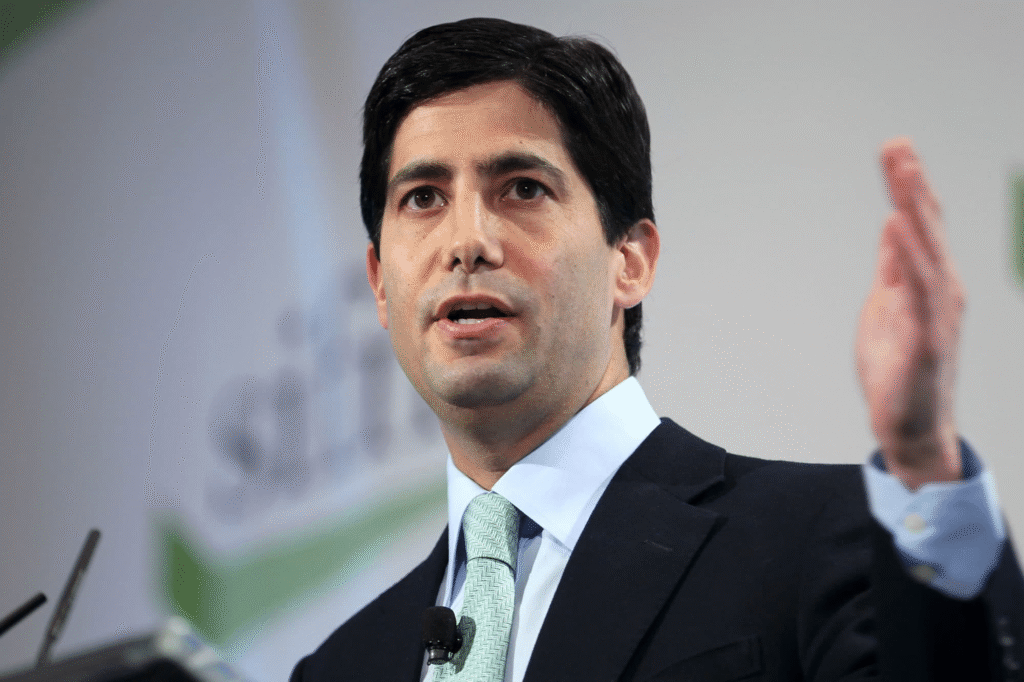
While he views Bitcoin as a promising store of value, Warsh has repeatedly dismissed the notion that it could dethrone the U.S. dollar.
In a 2018 opinion piece for the Wall Street Journal, he wrote that Bitcoin’s volatility “significantly diminishes its usefulness as a reliable unit of account or effective means of payment.â€
Still, Warsh remains a proponent of developing a digital dollar, arguing it could help preserve America’s monetary dominance. Critics, however, warn that a central bank digital currency might threaten privacy and give Washington unprecedented oversight of citizens’ spending habits.
Kevin Hassett: A White House Insider with Skin in the Game
Another familiar name on Bessent’s shortlist is Kevin Hassett, a former top economic adviser in the Trump administration who currently directs the National Economic Council.
Hassett also has a financial stake in the crypto industry — owning up to $5 million in Coinbase shares.
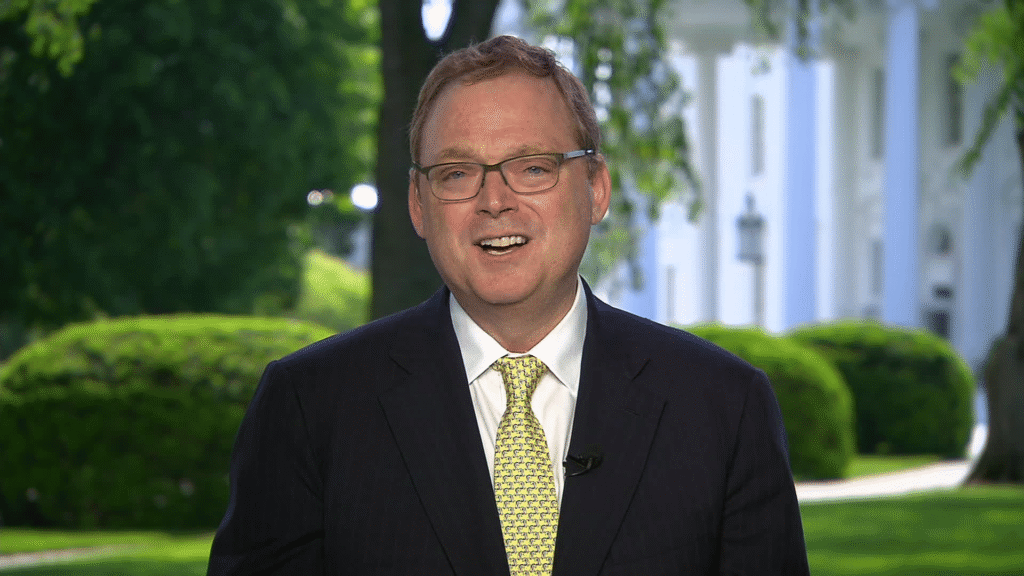
He recently made headlines for predicting that the ongoing government shutdown would end within a week. Eight days later, gridlock continues in Washington as Democrats and Republicans remain divided, with Trump now traveling across Asia on a six-day diplomatic tour.
Hassett’s involvement with Coinbase has drawn attention to the growing overlap between government decision-makers and the crypto sector — a relationship that could influence policy direction at the highest level.
Rick Rieder: Wall Street’s Crypto Bridge
Rounding out the list is Rick Rieder, BlackRock’s chief investment officer of global fixed income. His inclusion may not surprise anyone who has followed the asset manager’s growing influence in crypto, particularly after its Bitcoin exchange-traded funds dominated market inflows.
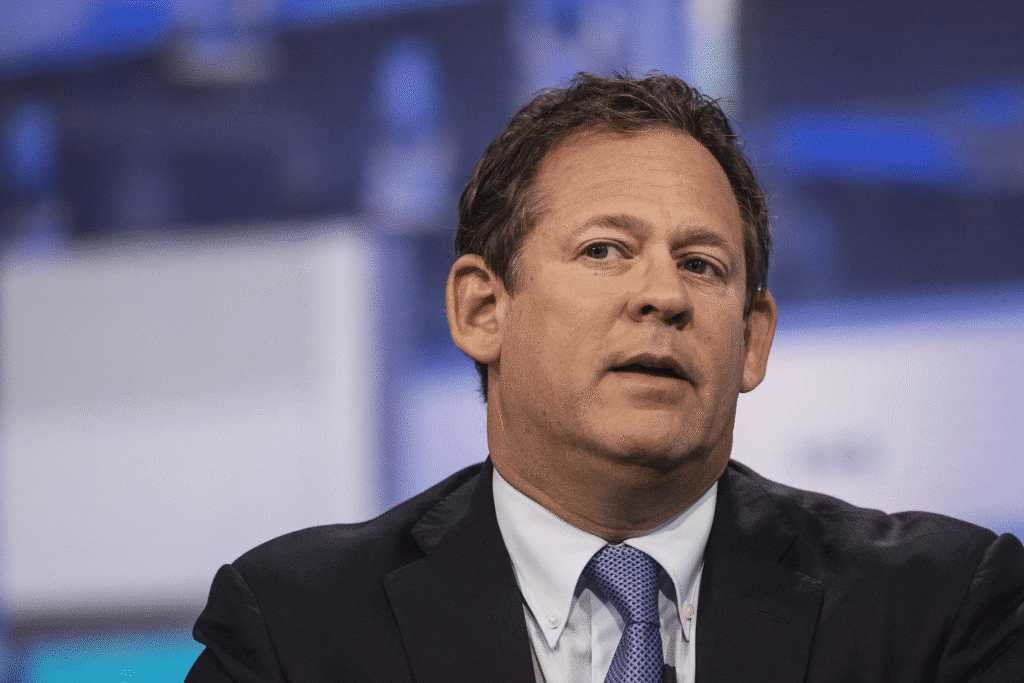
Rieder has repeatedly said that Bitcoin serves as an “ideal addition†to diversified portfolios, offering a hedge against inflation and market volatility.
Though he remains cautious about its ability to solve global monetary challenges, his endorsement from within the world’s largest asset manager marks a clear shift in traditional finance’s stance toward digital assets.
What a Pro-Crypto Fed Chair Could Mean
With Trump reportedly eager to replace Powell, frustrated by the Fed’s slow pace of interest-rate cuts, analysts believe the next chair will likely favor cheaper money and a more accommodative policy stance.
For the crypto market, such a shift could be profoundly bullish. Lower borrowing costs historically fuel demand for alternative assets like Bitcoin — while leadership that embraces blockchain could pave the way for regulatory clarity and deeper integration of crypto into America’s financial system.
If the shortlist is any indication, the next era of Federal Reserve leadership may be one that no longer sidelines crypto, but rather welcomes it as part of the monetary mainstream.


