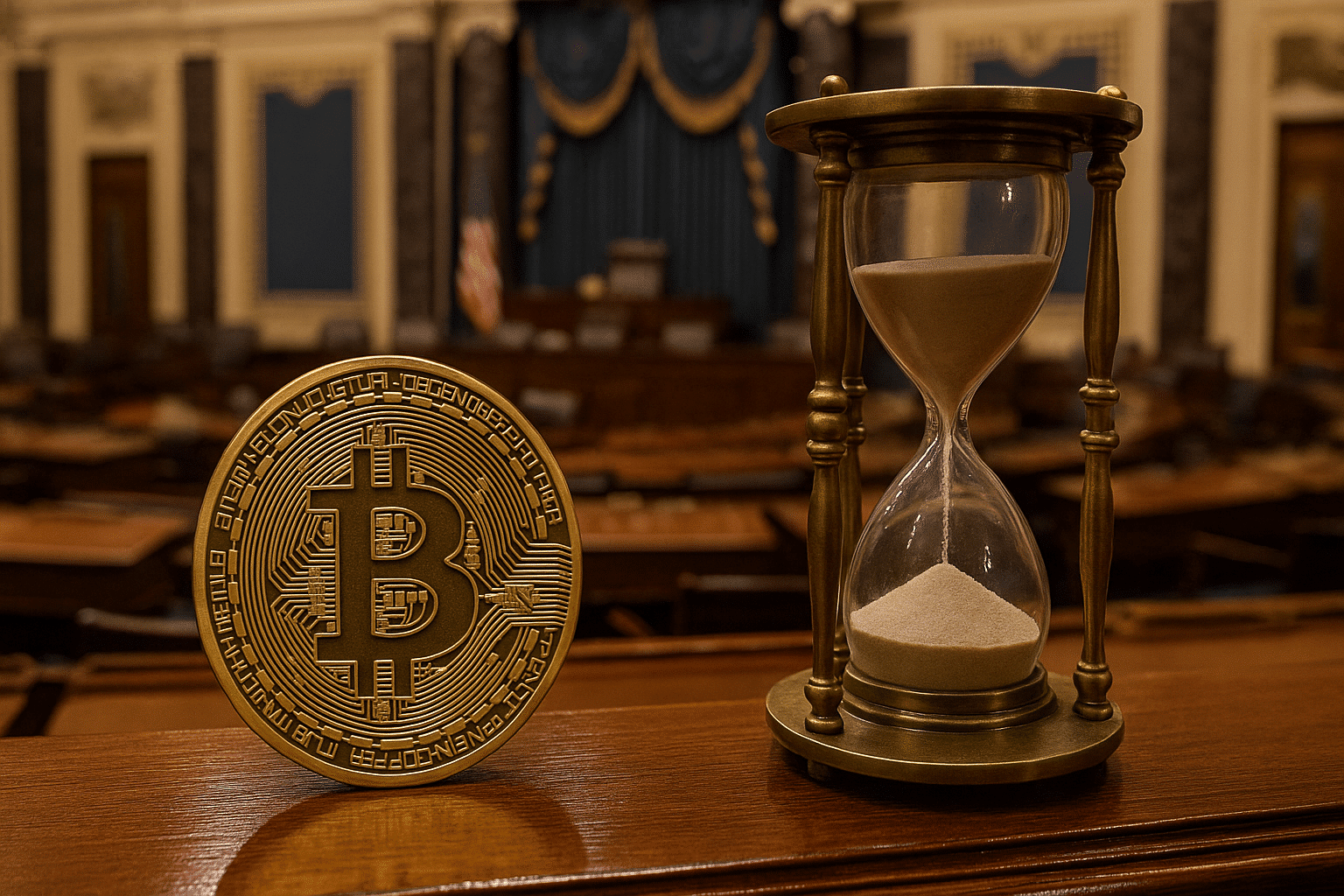
Crypto Bills Survive Congressional Showdown and Record-Long Vote
House Republican leaders have finally struck a deal to push forward with three major crypto bills — but not without setting a record in the process.
A routine procedural vote to begin debate on the bills was kept open for over nine hours on Wednesday — the longest in the history of the U.S. House of Representatives — as internal party disagreements over central bank digital currencies (CBDCs) nearly derailed what leaders had dubbed “Crypto Week.â€
A Stand-Off Over CBDCs
The holdup came from a faction of Republican hardliners who refused to support the vote unless a ban on CBDCs was guaranteed. One of the most vocal opponents, Rep. Keith Self, warned that the GENIUS Act — one of the three bills — could allow for a “back door to a CBDC,†despite language in the bill stating it does not authorize the Federal Reserve to offer services directly to the public.
Marjorie Taylor Greene was the only Republican to vote alongside Democrats in opposing the measure.
The Deal That Broke the Gridlock
House Majority Leader Steve Scalise broke the impasse by promising to move the CBDC ban to a must-pass defense bill, the National Defense Authorization Act (NDAA), effectively separating it from the GENIUS Act and avoiding the risk of tanking the bill in the Senate.
That move appears to have satisfied the holdouts, and the measure to begin debate passed narrowly, 217 to 212, late Wednesday evening.

The final vote of the resolution to hear debate on three crypto bills (Source: C-SPAN)
Rep. Tim Burchett, who had initially opposed moving the bills forward, confirmed on X that leadership agreed to include the CBDC ban in the NDAA — a strategic shift meant to preserve the broader crypto package while appeasing skeptics of digital dollar initiatives.
What’s in the Crypto Trio?
The three crypto bills being advanced include:
- The GENIUS Act, a stablecoin regulation bill that President Donald Trump is reportedly eager to sign before the weekend.
- The CLARITY Act, aimed at defining market structures and regulatory clarity for digital assets.
- The Anti-CBDC Surveillance Act, which outright bans a Federal Reserve-issued digital dollar.
While Scalise indicated that votes on the GENIUS Act and CLARITY Act could happen as soon as Thursday, House Speaker Mike Johnson hinted that debate on the remaining bills may spill into Friday or even next week.
Political Strategy at Play
The vote delay highlights how tricky the politics of crypto regulation have become — not just across party lines but within them. Republican leadership is now juggling support from both pro-crypto libertarians and staunch anti-CBDC conservatives, trying to keep the party aligned while avoiding a legislative meltdown.
The decision to separate the bills could prove to be a shrewd move. As Speaker Johnson reportedly pointed out, packaging the bills together may have doomed them in the Senate. By keeping them separate, Republicans hope to give each measure a cleaner path to passage — and ultimately, the President’s desk.
All eyes are now on the House floor, where votes on the individual bills are expected to be scheduled soon. If passed, the legislation would mark a significant turning point in the U.S. government’s approach to crypto regulation — from defining how tokens are traded to drawing red lines around government-issued digital currencies.
For now, the message is clear: Crypto Week isn’t over yet, but it’s finally moving forward — and not even a nine-hour vote delay could stop it.


