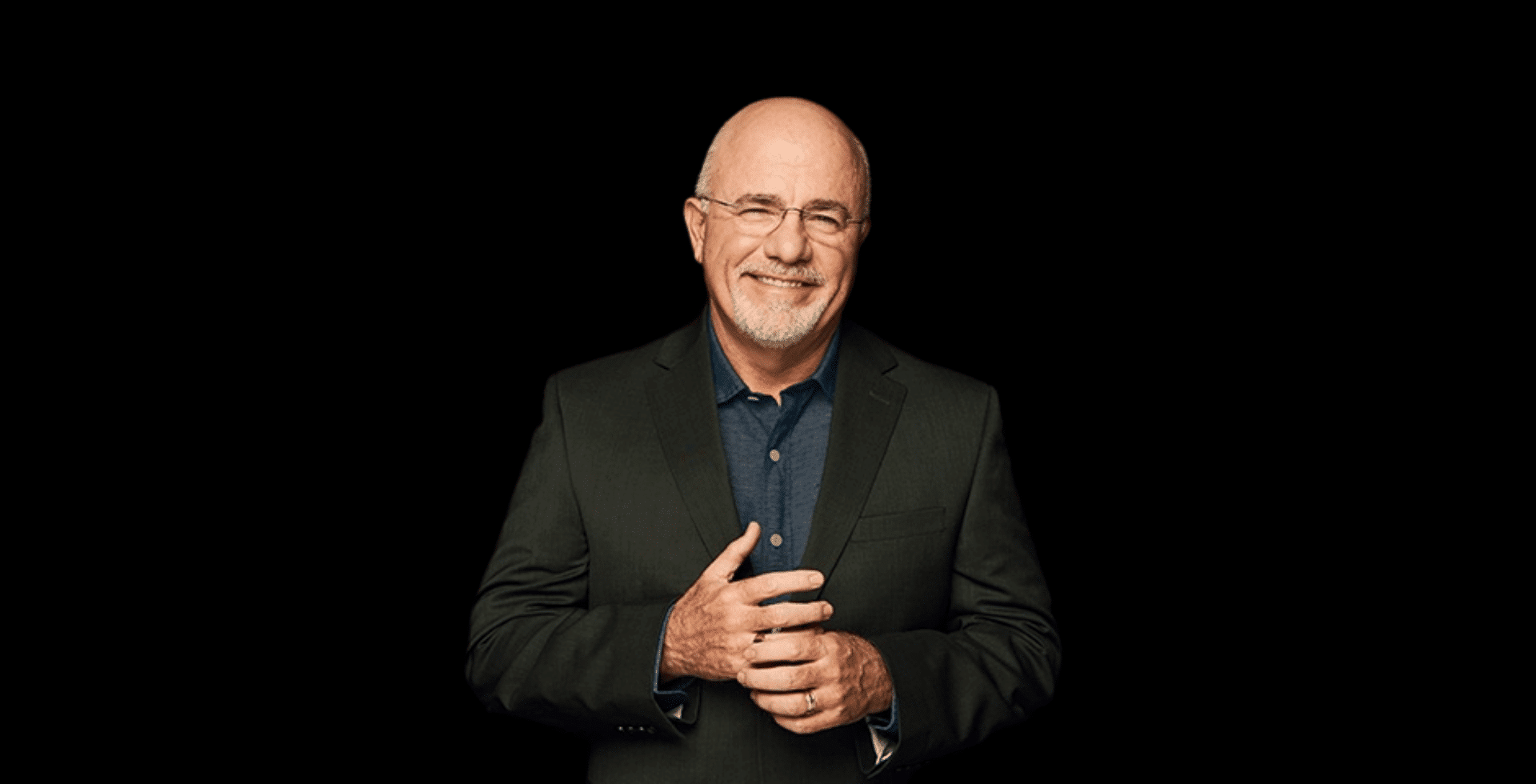
Dave Ramsey Baby Steps, Net Worth, and His Take on Crypto
Dave Ramsey is a well-known personal finance expert and radio host who has spent decades teaching people how to manage money wisely. He rose to fame through The Dave Ramsey Show, a radio program with millions of weekly listeners, and his best-selling books on personal finance.
Ramsey’s advice is especially popular among beginners because of its straightforward, step-by-step approach. His general philosophy centers on living debt-free, budgeting effectively, and investing in proven ways to build wealth over time. From his famous “Dave Ramsey Baby Steps” plan to his cautionary stance on trendy investments like cryptocurrency, Ramsey offers a clear roadmap for those new to managing money.
In this article, we’ll explore who Dave Ramsey is, outline his 7 Baby Steps for financial success, discuss his approach to debt and saving, look at Dave Ramsey’s net worth, and explain his opinion on crypto – all in a neutral tone to help beginner investors learn the basics.

Who Is Dave Ramsey?
Dave Ramsey is an American personal finance guru, author, and media personality known for his no-nonsense financial advice. After graduating with a degree in finance, he became a millionaire in his twenties through real estate, only to lose his fortune and declare bankruptcy by age 28.
This early setback shaped Ramsey’s financial philosophy. In the 1990s, he began counseling others on money matters and started The Dave Ramsey Show, a call-in radio program where he coaches listeners on budgeting, debt payoff, and investing.
Today, Ramsey has built a financial education empire (Ramsey Solutions) that includes radio shows, podcasts, books, and live events. He is often cited as “one of America’s most trusted sources for financial advice,†reaching over 20 million radio listeners weekly.

Ramsey’s approach blends common-sense money management with Christian values, emphasizing concepts like honesty, stewardship, and living within your means. In short, he is a leading voice in personal finance who advocates for budgeting, avoiding debt, and steadily building wealth – advice that has resonated with millions of people looking to improve their finances.
What Are the Dave Ramsey Baby Steps?
One of Dave Ramsey’s most famous contributions is his “7 Baby Steps†plan – a step-by-step blueprint for financial success aimed at beginners who want to get control of their money. As the name suggests, the Baby Steps break down big financial goals into small, achievable steps. The idea is to complete each step (or get very close) before moving on to the next. This focused approach helps people prioritize goals and build momentum. The Dave Ramsey Baby Steps are:
Dave Ramsey’s 7 Baby Steps provide a step-by-step roadmap from saving a starter emergency fund to building long-term wealth and giving.
- Save $1,000 for a Starter Emergency Fund: Begin by setting aside a small emergency fund of $1,000. This cash cushion covers minor emergencies (like a car repair or medical bill) so you won’t have to rely on credit cards. Having this starter fund gives beginners some immediate security.
- Pay Off All Debt (Except the House) using the Debt Snowball: List all your debts (credit cards, student loans, car loans, etc.) from smallest to largest balance. Focus on paying off the smallest debt first while making minimum payments on others, then roll that payment into the next debt, and so on – a strategy Ramsey calls the debt snowball method. By attacking debts one by one, you build confidence and “snowball†your progress until all non-mortgage debt is gone.
- Build a Fully Funded Emergency Fund (3–6 Months of Expenses): With no consumer debt left, increase your emergency savings. Aim to save enough to cover 3 to 6 months of living expenses in a safe account. This larger emergency fund acts as a financial cushion against major setbacks like job loss or big medical bills, preventing you from falling back into debt.
- Invest 15% of Your Income for Retirement: Once you’re debt-free (except for a house) and have a solid emergency fund, start investing 15% of your gross income for retirement. Ramsey suggests using tax-advantaged retirement accounts like a 401(k) or IRA and investing in good growth stock mutual funds. By consistently investing 15% over time, beginners can build wealth for the future while still keeping a balanced budget.
- Save for Your Children’s College Fund: If you have kids and college is a goal, begin saving for their education (after you’re on track with retirement). Ramsey recommends using tax-advantaged education savings plans like a 529 plan or Education Savings Account (ESA). The idea is to help your children avoid student loan debt, while not sacrificing your own retirement security (that’s why this step comes after starting retirement contributions).
- Pay Off Your Home Early: Next, focus on becoming completely debt-free by paying off your mortgage early. Any extra money can go toward additional mortgage principal payments. Eliminating a house payment can take years off your mortgage and save tens of thousands in interest. By this step, you’re virtually debt-free and can truly own your home outright, which frees up a lot of cash flow.
- Build Wealth and Give: The final step is the reward for all your hard work. With no debt and a paid-for home, you can now aggressively build wealth and be generous. Ramsey encourages continued investing (maxing out retirement plans, investing in other opportunities) and giving to causes or charities you care about. The idea is to live and give like no one else – enjoying financial freedom and helping others now that you’ve secured your own finances.
The Dave Ramsey Baby Steps provide a clear order of operations for newcomers who feel overwhelmed about where to start. By tackling one goal at a time – from basic emergency savings, to debt elimination, to investing – beginners can gradually progress toward financial stability. This approach has proven effective for many; Ramsey often shares success stories of families who became debt-free and built wealth by following the Baby Steps plan. It’s a simple, structured path that takes the mystery out of personal finance for first-timers.
Ramsey’s Approach to Personal Finance and Debt
Living Debt-Free is Non-Negotiable: Central to Dave Ramsey’s philosophy is the belief that debt is the biggest obstacle to financial freedom. He often says, “Debt is not a tool; it’s a hindrance.†After his own bankruptcy experience, Ramsey is passionately anti-debt – advising people to avoid credit cards, car loans, and other consumer debts altogether.
His reasoning is that payments on debt rob you of the ability to save and invest for yourself. In fact, the first three Baby Steps (starter emergency fund, debt payoff, full emergency fund) are all about getting rid of debt and preventing new debt. Ramsey teaches that financial security comes from living within your means and owing nothing – a principle he even ties to a biblical proverb about the borrower being “slave to the lenderâ€.
For beginner investors, this means the priority should be eliminating debt and avoiding new debts, so that your income can be used to build wealth rather than pay interest to creditors.
Strict Budgeting and Saving: Ramsey also emphasizes the importance of budgeting every month. He advocates a zero-based budget, where you give every dollar a job on paper before the month begins. This level of planning helps beginners see exactly where their money is going and find extra cash to put toward goals like debt payoff or savings. Tools like Ramsey’s EveryDollar budgeting app (or even the old-fashioned envelope system of cash for categories) reflect his view that you must plan and track your spending to succeed financially.
In practice, Ramsey advises cutting unnecessary expenses, living on a frugal budget, and even temporarily taking on extra jobs or side gigs – all to free up money for the Baby Steps. This disciplined approach to money may seem strict, but many followers credit it for helping them break the paycheck-to-paycheck cycle.
Common-Sense Investing (No Get-Rich-Quick): When it comes to investing, Dave Ramsey keeps it simple and conservative. He openly admits his strategy is boring but reliable. Ramsey does not encourage trying to pick hot stocks or timing the market.
Instead, he recommends beginners invest consistently in mutual funds with a long track record of good returns. His personal portfolio is said to consist of four types of mutual funds – growth, growth-and-income, aggressive growth, and international – to diversify across different sectors. By spreading investments across broad mutual funds, investors let professional fund managers pick the stocks, which aligns with Ramsey’s advice that everyday people should avoid single-stock risk.
He also strongly prefers cash over credit in all transactions, including big purchases and investments. Notably, Ramsey invests in real estate but only buys properties with cash (no mortgages), illustrating his no-debt rule even in investing. Overall, his approach for beginners is: invest regularly in proven vehicles (like retirement funds, mutual funds, and paid-for real estate) and steer clear of anything you don’t fully understand.
Biblical and Behavioral Emphasis: Ramsey’s financial teachings are also rooted in behavioral change and, for many, faith-based principles. He often quotes Scripture and refers to biblical wisdom on money (such as saving for the future, avoiding debt, and giving to those in need). While you don’t have to be religious to follow his advice, his underlying message is about discipline, patience, and personal responsibility. He acknowledges that managing money is only 20% head knowledge and 80% behavior. Thus, his programs (like Financial Peace University) focus on changing habits – getting couples to communicate about money, encouraging people to cut up credit cards, and creating accountability to stick to their budgets. This holistic, values-driven approach is a big part of why many beginners find Ramsey’s style motivating; it’s not just about dollars, but about changing one’s mindset toward money.

Dave Ramsey Net Worth and Business Success
Many beginner investors are curious about Dave Ramsey’s net worth – after all, he practices what he preaches, so how wealthy has Ramsey become by following his own advice? Ramsey is not a billionaire, but he is certainly very successful.
Recent estimates put Dave Ramsey’s net worth around $200 million. This figure (often reported by sources like Celebrity Net Worth and confirmed by financial media) reflects Ramsey’s decades-long business growth. His wealth comes from multiple sources:
- Media Empire: Ramsey’s company, Ramsey Solutions, includes his radio show (with advertising revenue), podcasts, live events, bestselling books, online courses, and financial coaching services. With over 20 million listeners and numerous products, his business generates substantial income. He has authored popular books like The Total Money Makeover, and each new book release tends to hit bestseller lists. All of these ventures have contributed millions to his net worth.
- Real Estate Investments: Dave Ramsey is also a real estate investor. He has mentioned owning a portfolio of rental properties, including **15–20 homes and some commercial buildings, all bought with cash (no debt). Real estate is a significant asset in his net worth calculation, but because he doesn’t take loans, these properties were acquired over time by reinvesting profits. The value of these properties appreciates, adding to his wealth.
- Entrepreneurial Ventures: Beyond media and real estate, Ramsey’s company sells financial tools (like budgeting software and investment services via endorsed local providers). He also earns money from speaking engagements and events like seminars. All these entrepreneurial efforts have scaled up over the years, especially as his audience trust grew.
It’s worth noting that net worth estimates are approximate. Ramsey’s company is private, and his assets aren’t publicly disclosed, so the $200 million figure is an educated guess based on available information. Still, the key takeaway is that Dave Ramsey has amassed a considerable fortune using the very principles he teaches – avoiding debt, investing in stable assets, and steadily growing his business. His financial success story – from bankruptcy in the late 1980s to a net worth in the hundreds of millions today – is often cited as proof of how effective disciplined money management can be. For beginners, however, Ramsey would likely emphasize that net worth is a result of consistent effort over time, and the exact number matters less than the financial peace of mind that comes with being debt-free and in control of your money.
Dave Ramsey’s Opinion on Crypto
In recent years, many new investors have been tempted by cryptocurrencies like Bitcoin and Ethereum, hoping to get rich quick. Dave Ramsey’s stance on crypto is clear and cautious: he generally advises against investing in cryptocurrency, especially for those who are still paying off debt or just starting out.
Ramsey often explains that crypto isn’t a reliable investment for building long-term wealth – he views it as highly speculative. In one discussion, he bluntly stated that “Crypto isn’t investing — it’s speculationâ€, likening it to gambling rather than a sound investment strategy. Here are a few reasons why Ramsey warns beginner investors to be very careful with crypto:
- Extreme Volatility: Cryptocurrency prices can swing dramatically in short periods. Ramsey points out that the crypto market experiences wild ups and downs much more than the stock market does. For example, your Bitcoin investment might lose 50% of its value overnight on bad news. Such volatility makes it very risky for someone who can’t afford to lose money. Ramsey notes that this instability is not what you want when you’re trying to steadily build wealth for the future.
- Unproven Long-Term Track Record: Unlike stocks of established companies or broad index funds, cryptocurrencies have a short history. Ramsey emphasizes that crypto is a relatively new phenomenon – there’s no decades-long track record to assure investors of long-term growth. Because it’s unproven over the long haul, he sees it as an unreliable place to put your hard-earned money. In contrast, the stock market and real estate have proven themselves over many decades, which is why he prefers those for wealth-building.
- Lack of Understanding and High Speculation: Ramsey often says you should never invest in something you don’t fully understand. Crypto technology (like blockchain, mining, etc.) is complex, and most people investing in it can’t explain how it works. Ramsey quips that if you can’t explain an investment to a 10-year-old, you shouldn’t be in it. He believes a lot of crypto enthusiasm is driven by hype and the fear of missing out (FOMO), rather than sound financial principles. This speculative frenzy can lead beginners to make rash decisions, which he compares to gambling on a roulette wheel – you might win big or lose everything, but it’s mostly up to chance.
- Focus on Fundamentals First: Another reason Ramsey advises beginners to stay away from crypto is prioritization. In his view, if you have student loans, credit card debt, or even if you haven’t invested for retirement yet, those should be your focus – not buying Bitcoin. He would say to get your emergency fund and debt-free foundation in place (the early Baby Steps) before even thinking about any risky investments. Even then, Ramsey himself still prefers traditional investments. He frequently suggests that instead of chasing crypto, investors should put their money into mutual funds, index funds, and paid-for real estate, which he considers tried-and-true methods for building wealth. His core argument is that crypto is too unstable for serious investing, and beginners are better off sticking to their 401(k)s, Roth IRAs, and other proven retirement accounts.
In summary, Dave Ramsey’s opinion on cryptocurrency is quite skeptical. He doesn’t deny that some people have made money on it, but he views it as an unnecessary risk for the average person.

For a beginner investor reading this, Ramsey’s neutral advice would be: understand the difference between investing and speculating. Investing should be boring and methodical (like putting 15% into your retirement funds every month), whereas speculating is more like rolling the dice. Crypto, in Ramsey’s eyes, falls into the speculation category. Until you’re very financially secure and truly understand what you’re getting into, he suggests steering clear of crypto to avoid potential heavy losses. It’s a perspective worth considering, especially if you’re just starting to build your financial foundation.
Key Takeaways for Beginner Investors
- Start with a Solid Foundation: Dave Ramsey’s advice for beginners is to get your financial basics in order first – save a starter emergency fund and clear your debts. Following the 7 Baby Steps can guide you through building that foundation one step at a time.
- Live Debt-Free: A core part of Ramsey’s philosophy is avoiding debt like the plague. He recommends you pay off debts aggressively (using the debt snowball method) and refrain from taking on new loans for cars, credit cards, or other expenses. Living within your means and being debt-free gives you freedom and cash flow to invest in your future.
- Budget and Save Consistently: Creating a monthly budget is non-negotiable in Ramsey’s plan. Tell every dollar where to go. This disciplined budgeting, combined with frugal living, will help you save for emergencies and future goals. Make sure to build an emergency fund (eventually 3–6 months of expenses) to protect yourself from life’s surprises.
- Invest in the Long Term (Avoid Fads): Ramsey advocates for long-term investing in proven assets. Once you’re ready to invest, stick to simple things like mutual funds, index funds, and retirement accounts that grow steadily over time. He cautions against chasing hot trends or complex investments you don’t understand. Remember, slow and steady wins the race – wealth building is a marathon, not a sprint.
- Be Wary of Cryptocurrency and Hype: If you’re a newbie, Ramsey suggests being very cautious with speculative investments like crypto. His neutral advice is that you shouldn’t risk money on highly volatile assets until you are debt-free, financially stable, and can afford to lose that money. Focus on the basics first before dabbling in experimental investments.
- Build Wealth and Give Back: Ultimately, the goal of Ramsey’s plan isn’t just wealth for its own sake; it’s about achieving financial peace and then helping others. Once you have your finances under control, continue to build wealth responsibly and consider being generous – whether that means donating to charity, helping family, or investing in your community. Ramsey often says that winning with money isn’t just about living like no one else, but also giving like no one else.
Frequently Asked Questions
What are the Dave Ramsey Baby Steps?
Dave Ramsey’s Baby Steps are a seven-step financial plan designed to help people eliminate debt, build savings, and invest for the future. The steps include saving a $1,000 emergency fund, paying off debt using the debt snowball method, saving 3–6 months of expenses, investing 15% for retirement, saving for college, paying off your home early, and building wealth to give generously.
What is Dave Ramsey’s net worth?
As of 2025, Dave Ramsey’s net worth is estimated to be around $200 million. His wealth comes primarily from his media company Ramsey Solutions, real estate investments, bestselling books, and live financial seminars.
What does Dave Ramsey think about cryptocurrency?
Dave Ramsey is highly skeptical of cryptocurrency. He considers it a speculative and volatile asset, unsuitable for beginner investors. He advises paying off debt and investing in proven assets like mutual funds and real estate before considering crypto.
Does Dave Ramsey recommend using credit cards?
No. Dave Ramsey is firmly against using credit cards. He believes they encourage overspending and lead to debt. Instead, he recommends using cash or debit cards and budgeting monthly to control spending.
Can I invest in crypto if I’ve completed the Dave Ramsey Baby Steps?
While Dave Ramsey doesn’t recommend crypto, he says that if you are completely debt-free, have a fully funded emergency fund, and are already investing 15% of your income for retirement, then using a small portion of your wealth for speculative assets is your decision—but only if you can afford to lose it.
How can I start the Dave Ramsey Baby Steps?
You can start by saving $1,000 as a starter emergency fund and then listing all your non-mortgage debts from smallest to largest. Pay them off using the debt snowball method, while making a monthly zero-based budget to stay on track. Ramsey’s budgeting app EveryDollar can help guide you through the process.
Is Dave Ramsey’s advice still relevant?
Yes. While some criticize his views on newer financial products like crypto, his core advice—living below your means, avoiding debt, saving consistently, and investing long term—remains highly relevant, especially for beginner investors.


