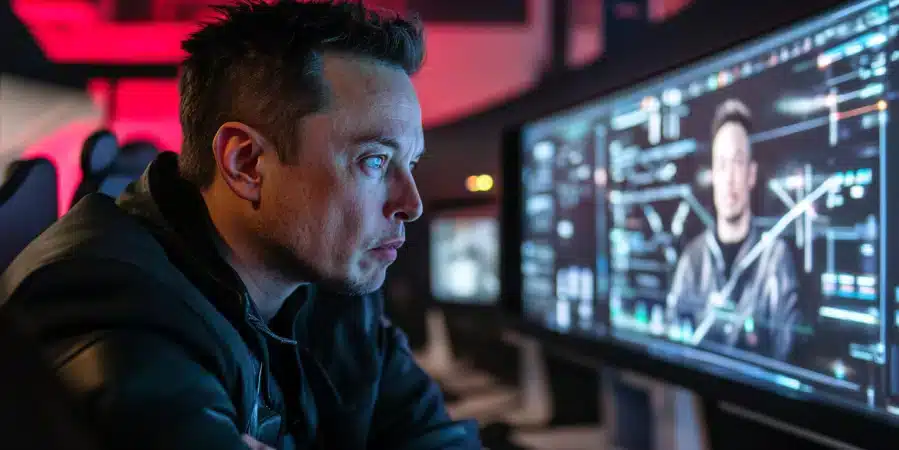
Dark Storm Hacks X: The Cyberattack That Shocked the Internet
Dark Storm, a pro-Palestinian hacking group, has claimed responsibility for a massive distributed denial-of-service (DDoS) attack on X, leaving thousands of users temporarily unable to access the platform.
Services were quickly restored following the March 10 cyberattack.
The X Attack and Its Impact
Cybersecurity firm SpyoSecure reported that the leader of Dark Storm took credit for the attack in a Telegram post. However, the Telegram channel was later deleted for violating the platform’s policies. Screenshots shared on X confirmed widespread service disruptions, displaying connection failures from multiple global locations.
Also read: Bybit Billion-Dollar Blind Spot: $1.4B Hack Shocks Crypto World
Social media personality Ed Krassenstein, co-founder of NFT marketplace NFTz.me, stated that he was in direct contact with Dark Storm’s leader, who reiterated that the attack was merely a demonstration of their strength rather than a politically motivated act. However, skepticism remains among cybersecurity experts.
Dark Storm Russian Ties
Dark Storm has been active since 2023 and is known for targeting NATO-aligned organizations. Intelligence sources suggest that the group has links to Russia, raising concerns over possible state-sponsored cyber operations. The group’s history of attacks has primarily focused on disrupting critical infrastructure, prompting global security concerns.
Elon Musk, the owner of X, acknowledged the cyberattack in a March 10 interview with Fox Business host Larry Kudlow. He stated that initial investigations indicated the attack originated from IP addresses in the Ukraine region. However, cybersecurity experts caution that attackers often use proxy servers and VPNs to obscure their true location, making attribution difficult.
Tesla Protests and Market Repercussions
The cyberattack coincided with mounting protests against Musk’s policies, particularly those related to his newly established Department of Government Efficiency (DOGE). The “Take Down Tesla” movement has driven demonstrations across the United States in response to DOGE’s aggressive budget cuts affecting multiple government programs.
Tesla’s stock has also been impacted. Shares dropped over 15% in the latest trading session, closing at $222, and continued to decline by an additional 3% in after-hours trading to $215, according to Google Finance. Despite a 24% increase in Tesla’s stock over the past year, it remains significantly below its all-time high of $480, recorded on Dec. 17, 2024.
Ongoing Cybersecurity Concerns
This is not the first time X has been targeted by hackers. In August 2024, Musk reported a prior DDoS attack that occurred shortly before his interview with then-presidential candidate Donald Trump.
Also read: Recession Fears Soar: Markets Tumble as JPMorgan Raises Odds to 40%
Although the recent attack on X did not cause lasting damage, it serves as a stark reminder of the persistent threats posed by politically affiliated hacking groups. As cyber threats evolve, both government agencies and private corporations must enhance their cybersecurity measures to mitigate future risks. Investigations into Dark Storm’s activities continue, with security analysts monitoring potential future targets and assessing possible legal or regulatory actions against the group.


