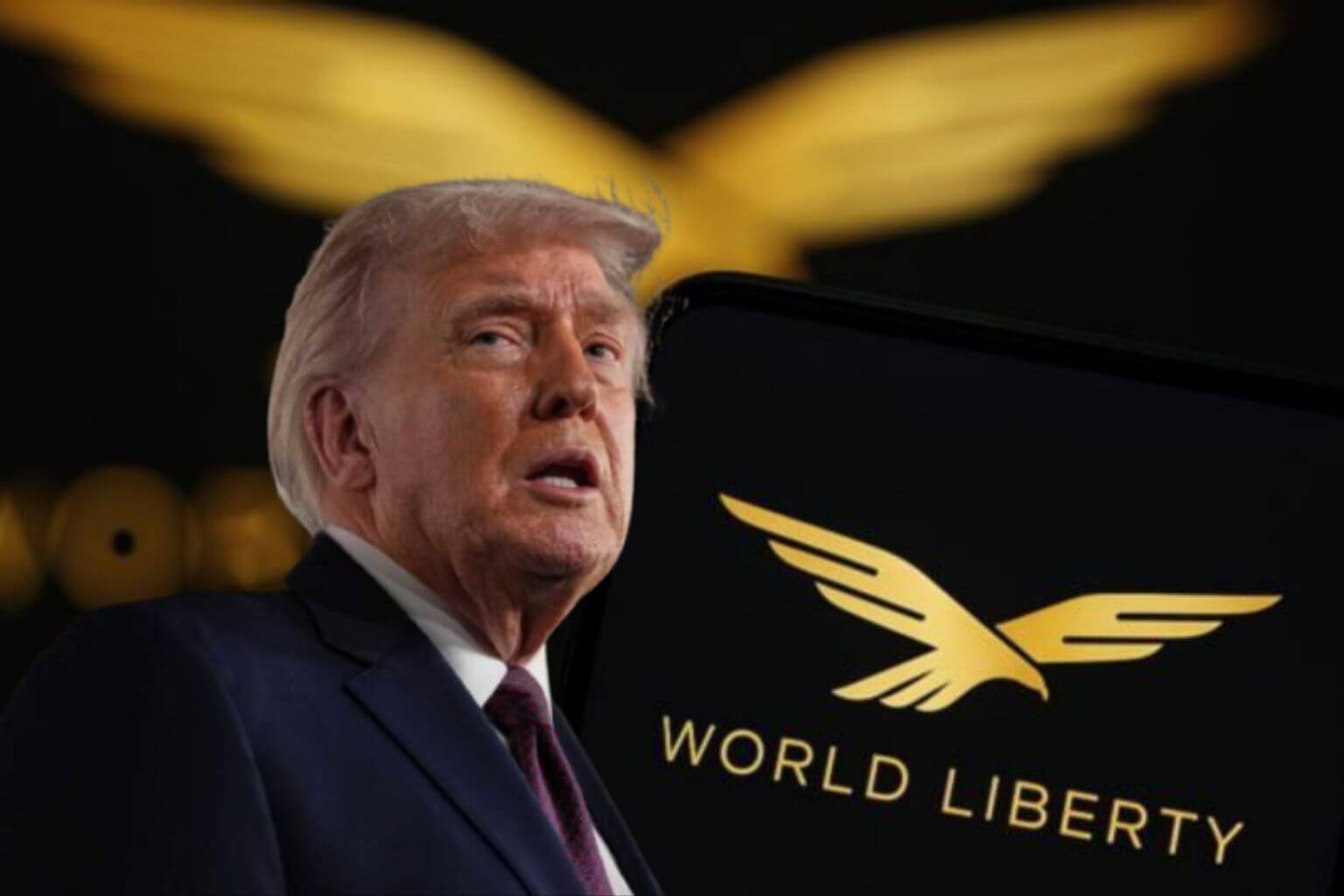
Trump-Linked Crypto Startup Took $500M From UAE Fund Before Inauguration: Report
A little-known Abu Dhabi investment vehicle agreed to take a near-controlling stake in World Liberty Financial, a cryptocurrency startup associated with Donald Trump, in a transaction finalized just days before Trump’s return to the White House, according to a report by The Wall Street Journal.
The Journal said the deal was signed in January 2025 by Aryam Investment 1, an entity backed by Sheikh Tahnoon bin Zayed Al Nahyan, the UAE president’s brother and one of the country’s most influential power brokers. Under the agreement, Aryam would acquire 49% of World Liberty Financial for $500 million, making it the company’s largest outside shareholder.
The transaction was not publicly disclosed at the time, despite later filings showing a sharp reduction in the Trump family’s ownership stake in the crypto firm.
Money Flows to Trump-Linked Entities
According to the Journal, roughly half of the purchase price was paid upfront.
That initial payment sent approximately $187 million to entities controlled by the Trump family, with additional tens of millions flowing to companies tied to World Liberty’s co-founders. Some of these entities are reportedly linked to relatives of U.S. Middle East envoy Steve Witkoff.
The agreement was signed by Eric Trump, the Journal reported, citing documents and people familiar with the matter. World Liberty later acknowledged that the Trump family’s stake had declined significantly but did not identify Aryam Investment 1 or provide details of the transaction.
World Liberty and the White House have denied any wrongdoing. Spokespeople told the Journal that President Trump was not personally involved in the deal and that the investment did not grant any influence over U.S. policy.
A Deal Set Against Shifting U.S.–UAE Relations
The timing of the investment has drawn scrutiny because it coincided with a broader shift in relations between Washington and Abu Dhabi following Trump’s election. Sheikh Tahnoon has been central to the UAE’s drive to position itself as a global hub for artificial intelligence and advanced computing.
Under the Biden administration, those ambitions faced limits amid U.S. concerns that sensitive technology could reach China through UAE-linked firms such as G42. Requests for large volumes of advanced U.S.-made AI chips were curtailed as a result.
After Trump’s return to office, that stance softened. Tahnoon reportedly met multiple times with Trump and senior U.S. officials, and within months the administration committed to granting the UAE access to hundreds of thousands of advanced AI chips annually, according to the Journal.
As part of the World Liberty transaction, executives from G42 reportedly helped manage Aryam Investment 1 and took seats on World Liberty’s board, further intertwining Tahnoon-linked interests with the crypto startup.
Stablecoins and a High-Profile Binance Investment
The Journal also pointed to another deal that underscored World Liberty’s growing role in major global crypto transactions.
Weeks before the U.S.–UAE AI chip framework was announced, another Tahnoon-led firm, MGX, used World Liberty’s stablecoin to complete a $2 billion investment into Binance.
That transaction placed World Liberty’s stablecoin at the center of one of the largest recent investments in the crypto industry, raising questions about how the startup’s financial activities intersect with broader geopolitical and strategic objectives.
Renewed Scrutiny From U.S. Lawmakers
World Liberty Financial was already under pressure from U.S. lawmakers before details of the UAE-backed stake emerged. In November, Democratic senators urged the Justice Department and Treasury to examine alleged links between World Liberty’s token sales and sanctioned foreign actors.
In a letter, Senators Elizabeth Warren and Jack Reed cited claims that WLFI governance tokens had been purchased by blockchain addresses associated with Lazarus Group, as well as entities tied to Russia and Iran. World Liberty has denied those allegations.
The scrutiny is intensified by World Liberty’s ownership structure, which directs a majority of token-sale revenue to Trump family–linked entities. Critics argue this arrangement creates an inherent conflict of interest, as proceeds from the project could financially benefit the sitting president’s family.


