Ripple Pushes Deeper Into Enterprise Finance With On-Chain Corporate Treasury Platform
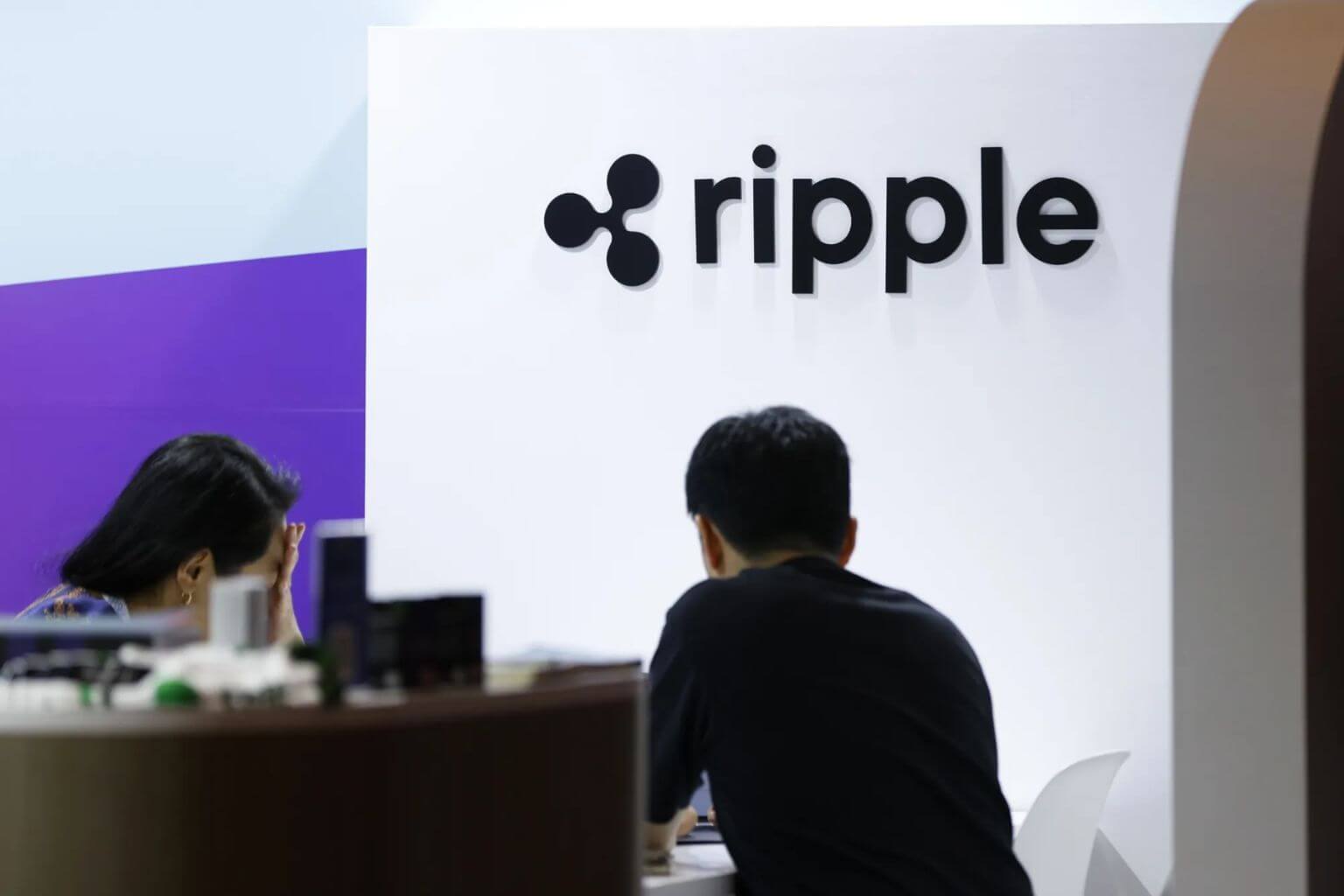
Ripple has expanded its push into enterprise finance with the launch of a corporate treasury platform that integrates traditional cash management tools with blockchain-based digital asset infrastructure, marking a significant step in the company’s strategy to embed crypto rails directly into corporate finance operations.
According to a blog post published Tuesday, the new platform combines GTreasury’s treasury management software with Ripple’s blockchain and stablecoin rails.
The system allows enterprises to manage cash positions, payments, and liquidity from a single interface while maintaining existing approval processes, controls, and internal workflows.
Ripple said the platform is designed to address long-standing treasury pain points, including fragmented visibility across accounts, multi-day settlement cycles, and friction in cross-border payments.
By using digital asset infrastructure, the company aims to shorten settlement times to minutes and reduce costs associated with foreign exchange exposure and correspondent banking networks.
Integrating Blockchain Into Everyday Treasury Operations
At its core, the platform is built to function as an extension of existing treasury systems rather than a replacement.
Ripple emphasized that corporate users can continue operating within familiar risk, compliance, and reporting frameworks while benefiting from faster settlement and real-time visibility enabled by blockchain rails.
The platform supports cross-border payments and liquidity management using stablecoins for settlement, enabling treasurers to move capital internationally with reduced reliance on traditional banking cut-off times.
Ripple said that approach allows companies to manage global liquidity more efficiently, particularly in regions where payment delays and currency conversion costs remain significant.
Another feature highlighted by Ripple is the ability to deploy yield strategies on idle cash outside standard banking hours. The platform enables treasurers to put capital to work during nights and weekends while adhering to existing investment policies and risk controls.
Unlocking Idle Cash Outside Banking Hours
In an introductory talk on Wednesday, Renaat Ver Eecke, CEO of GTreasury, said the shift toward near-instant settlement could unlock substantial value for corporate clients.
“There’s a huge amount of cash sitting with our corporate clients that doesn’t move nights and weekends,†Ver Eecke said. “If settlement times shrink to minutes, that non-active cash can start to work for you.â€
Ver Eecke added that visibility is a critical requirement for adoption, noting that treasurers need a unified view of fiat and digital assets to manage risk effectively.
“One of the key things to removing friction is making sure the world between digital assets and traditional fiat has 100% visibility, in a single platform,†he said.
Ripple acquired GTreasury in October for $1 billion, a deal that laid the groundwork for the company’s expansion into enterprise treasury services. The acquisition positioned Ripple to combine its blockchain payment infrastructure with established treasury management software already used by large corporations.
Stablecoins At The Center Of Ripple’s Treasury Strategy
The platform also builds on Ripple’s stablecoin infrastructure, including Ripple USD, a U.S. dollar–denominated stablecoin designed for institutional settlement and liquidity management. Ripple USD, trading under the ticker RLUSD, has a market capitalization of roughly $1.42 billion at the time of writing, according to data from CoinGecko.

RLUSD overview (Source: CoinGecko)
Ripple has positioned RLUSD as a bridge asset between traditional finance and blockchain-based payments, targeting enterprise and institutional use cases rather than retail trading.
Within the new treasury platform, stablecoins are used to facilitate faster settlement and reduce dependency on legacy banking rails.
Tokenization Momentum Builds Across Financial Markets
Ripple’s treasury launch comes as tokenization efforts accelerate across global financial markets, with regulators and exchanges increasingly signaling support for on-chain infrastructure.
In December, the U.S. Securities and Exchange Commission issued a no-action letter to a subsidiary of the Depository Trust & Clearing Corporation, allowing it to launch a tokenization service for securities. The initiative will initially focus on tokenized U.S. Treasurys minted on the Canton Network, with potential expansion to other asset classes.
SEC Chair Paul Atkins recently said that U.S. financial markets are “poised to move on-chain,†adding that the agency is prioritizing innovation to support this transition.
Exchanges are also preparing for a tokenized future. Nasdaq has identified regulatory approval for tokenized versions of exchange-listed stocks as a strategic priority, while the New York Stock Exchange is developing a platform for trading tokenized stocks and exchange-traded funds with 24/7 availability.
Against this backdrop, Ripple’s new treasury platform positions the company as a bridge between traditional corporate finance and the emerging on-chain financial system, as enterprises begin to prepare for a future defined by real-time settlement and always-on markets.


