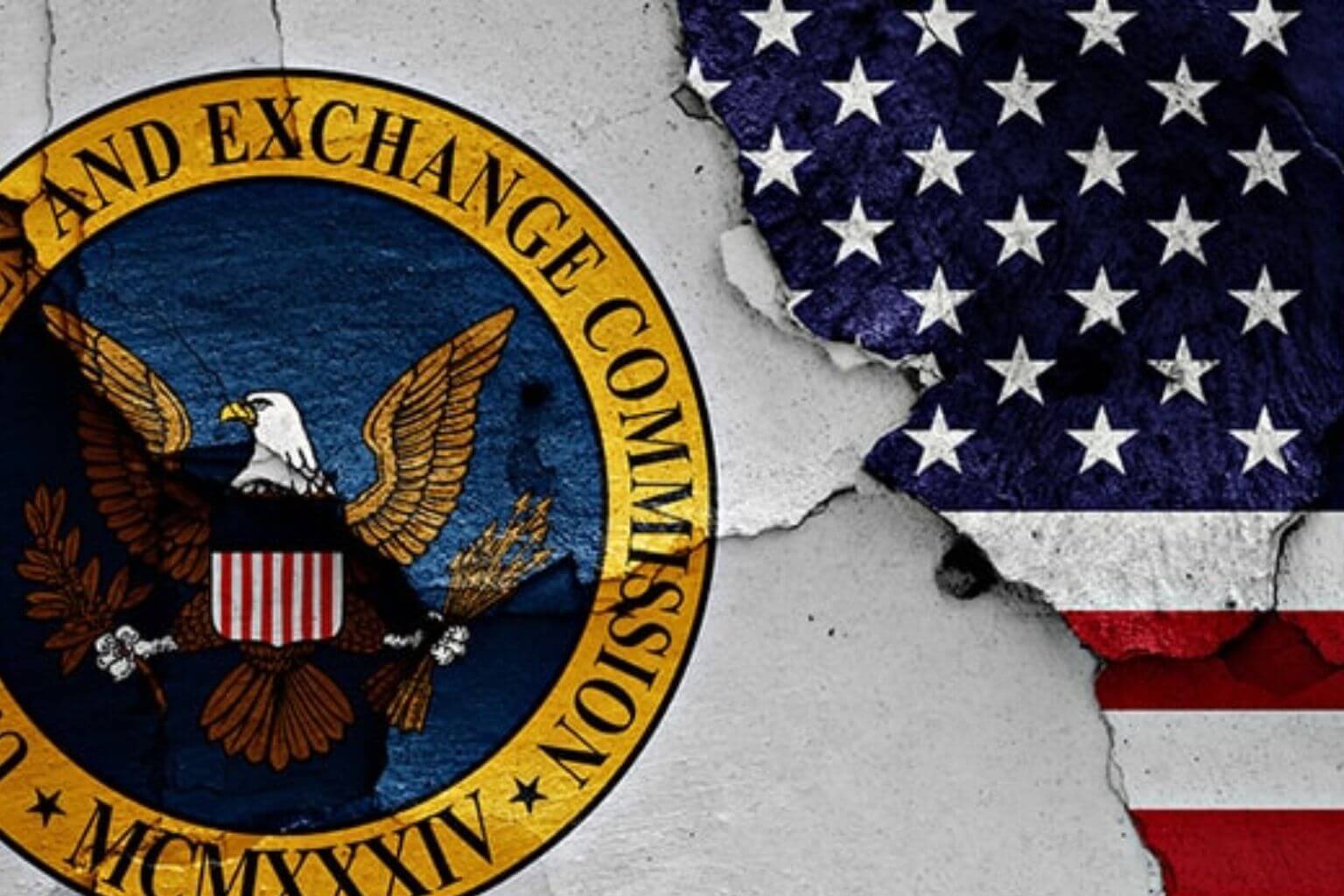
“A Trillion-Dollar Hit Job”: New AI Film Blames SEC for U.S. Crypto Exodus
Unicoin CEO Alex Konanykhin is preparing to escalate the debate over U.S. crypto regulation with the release of “A Trillion-Dollar Hit Job,” an AI-generated mockumentary that blends real news footage with hyper-realistic reenactments.
Set for release on Jan. 27, the film contends that years of aggressive enforcement by the U.S. Securities and Exchange Commission (SEC) weakened the nation’s competitive position in the global digital-asset economy and contributed to an exodus of innovation.
In an interview with Ecoinimist, Konanykhin argued that the SEC’s enforcement-first approach, particularly during former Chair Gary Gensler’s tenure, created a landscape where compliant American crypto companies faced continual legal threats despite efforts to operate transparently.
He maintains that the adversarial posture discouraged domestic development at a time when other regions were accelerating their adoption of blockchain and digital-asset frameworks.
Innovation Flight and Economic Impact
A central focus of the film is what Konanykhin describes as “innovation flight”—the movement of U.S.-based crypto startups to jurisdictions with clearer rules and predictable licensing processes.
He believes that shift carried long-term consequences for American competitiveness, limiting access to high-growth projects and depriving the domestic market of significant technological and economic gains.
According to Konanykhin’s assessment, the cumulative cost of regulatory uncertainty may reach into the trillions. He argues that U.S. investors lost access to vetted platforms, employees missed out on emerging job opportunities, and the technology sector forfeited its chance to remain the global hub of blockchain innovation.
The film frames this as a strategic misstep that allowed competitors in Europe, Asia, and the Middle East to pull ahead.
AI as a Tool for Accountability
Beyond its regulatory critique, “A Trillion-Dollar Hit Job” introduces AI-driven filmmaking as a new form of public accountability. The project uses advanced generative tools to reconstruct pivotal moments in crypto’s regulatory history, creating vivid dramatizations of events that unfolded behind the scenes or through bureaucratic channels.
Konanykhin presents AI-enhanced storytelling as a way to unpack complex legal and regulatory dynamics for a broader audience. By blending factual reporting with digitally generated reenactments, the film seeks to make the consequences of U.S. policy more accessible while encouraging public engagement with issues that typically remain confined to policy circles and courtrooms.
A Companion to a Larger Argument
The mockumentary is being released alongside Konanykhin’s new book, “UNICOIN: War on Crypto & the Future of Money.” Both works advance the broader argument that U.S. regulatory strategy did more than slow domestic crypto adoption; it fundamentally undermined the country’s potential leadership in the future of financial technology.
Konanykhin characterizes the American regulatory landscape as fragmented and punitive, contrasting it with structured and collaborative frameworks abroad. The film highlights how global competitors capitalized on this mismatch by positioning themselves as welcoming jurisdictions with clear, innovation-focused laws. The result, it argues, is a widening competitive gap that will be harder for the U.S. to close if policy direction remains unchanged.
A Debate Poised to Intensify
The release of “A Trillion-Dollar Hit Job” is expected to reignite contentious debates across the crypto industry, regulatory agencies, and Washington policymakers.
Konanykhin positions the film as both a diagnosis and a warning. Its underlying message suggests that the United States must choose whether to reassert itself as a leader in digital assets or risk watching other nations define the rules and capture the economic upside of the next era of financial innovation.