The ‘Trump Moment’ is Over: Why Animoca’s Yat Siu Says Crypto’s Next Move is Institutional
2025 marked a period where crypto’s market performance seemed strongly correlated to US President Donald Trump’s policy intentions.
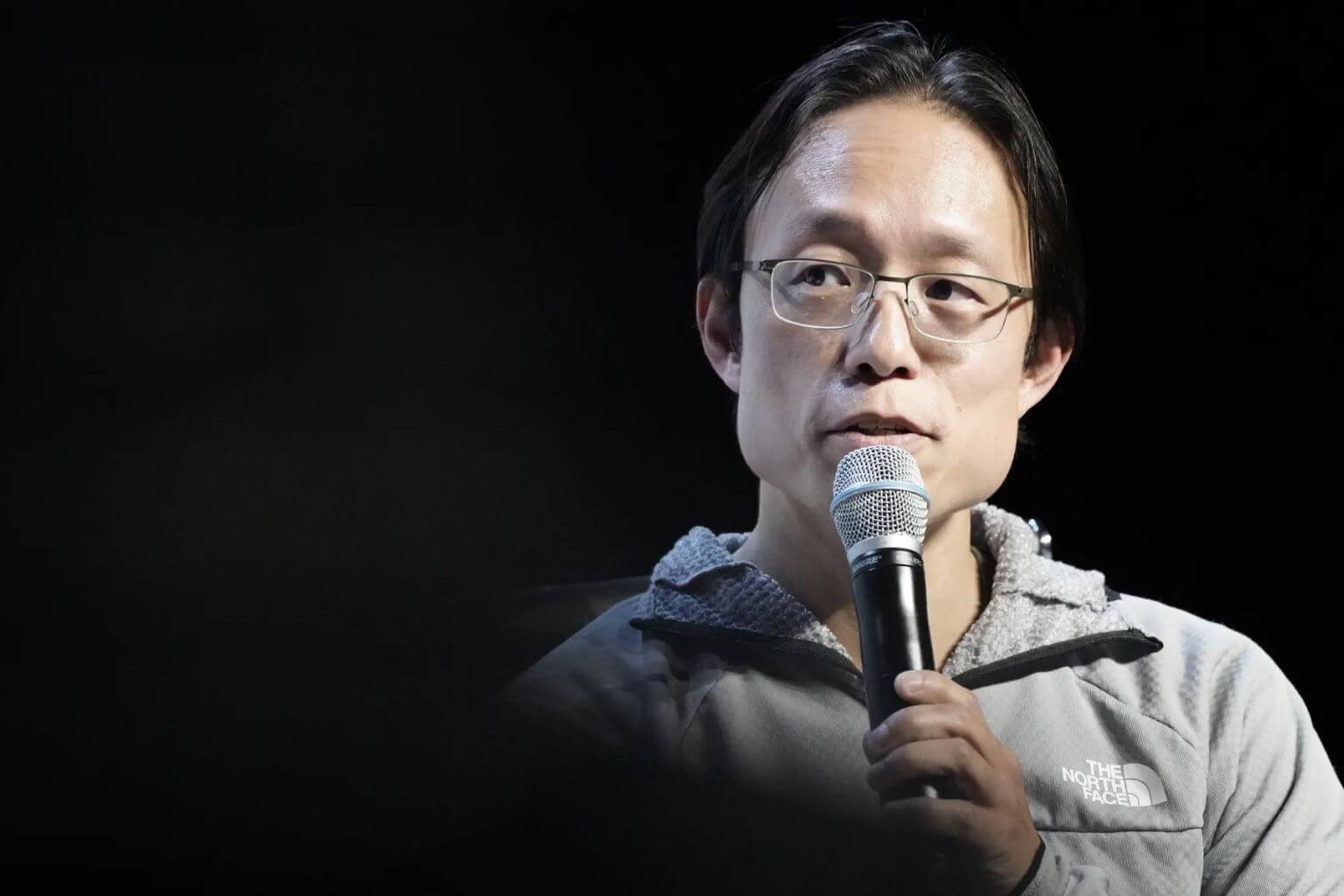
However, as the political landscape changed, so did the cryptocurrency market, according to Yat Siu, co-founder and executive chairman of Animoca Brands.
A Shift in Crypto Market Dynamics
In a recent interview in Hong Kong, Siu signaled the fading Trump trade as a pivotal moment that would redefine crypto’s trajectory.
Gone are the days of reliance on politics; structural changes are taking center stage. Institutional capital, Siu argued, is transforming market behavior, elevating Bitcoin as a reserve asset while putting pressure on altcoins to demonstrate real utility.
Simultaneously, crypto is merging with artificial intelligence (AI) as the foundational layer for autonomous systems and digital commodities. Siu went on to say that he views Hong Kong as a prime location at the intersection of traditional finance and technological advancements as this fusion accelerates.
Political Shifts and Market Fundamentals
“Trump is pro-crypto, so that’s a net positive, absolutely,” Siu said.
Yet he emphasized that the industry’s reliance on Trump as a savior was misplaced; the presidential elections did not determine crypto’s future as much as anticipated.
The past year revealed how deeply intertwined crypto’s momentum had been with expectations rather than fundamentals.
“We have to navigate around that,” Siu said.
Institutional Impact and Market Evolution
As institutional capital becomes a permanent fixture in crypto markets, trading patterns are evolving away from short-term speculation and election cycles towards long-term investment strategies. This structural shift, Siu claimed, is already altering how markets behave.
The same restructuring is also precipitating a reassessment of value distribution within the crypto ecosystem, particularly between Bitcoin and altcoins.
Siu argued that BTC’s role as a reserve asset forces altcoins to play a more productive economic part collectively. Animoca Brands, for instance, is aiming to become the first altcoin digital asset treasury company, filing for a reverse merger to list on the Nasdaq exchange last year.
Crypto and AI: A Symbiotic Relationship
For users, access to AI may primarily occur through crypto, rather than traditional equity markets, due to blockchain’s provision of trust and sovereignty required by autonomous systems, according to Siu.
“For most users, the hedge towards AI is owning crypto,” Siu said. “Crypto is essentially the natural asset class of basically AI agents.”
If these agents are expected to act independently, manage assets, or execute transactions, they need immutable infrastructures that cannot be capriciously revoked or altered.
Gamified Finance
Moreover, Siu posits that the shift is reshaping how finance is presented, especially to younger generations raised online.
Instead of integrating financial products into games, crypto is incorporating game mechanics into finance. Social rankings, leaderboards, and reward systems are not merely cosmetic adjustments but a reflection of how new users perceive participation and value.
Hong Kong’s Advantageous Position
From Siu’s perspective, Hong Kong benefits significantly from this next phase.
As a global finance hub with close proximity to tech powerhouses like nearby Shenzhen and international capital markets as well as regulatory reach, the city stands uniquely positioned to establish itself as a strong digital assets hub with global influence.
“You can’t really build a strong digital assets hub from a global perspective unless it has global rails,” Siu said. “Hong Kong is uniquely positioned towards that.”