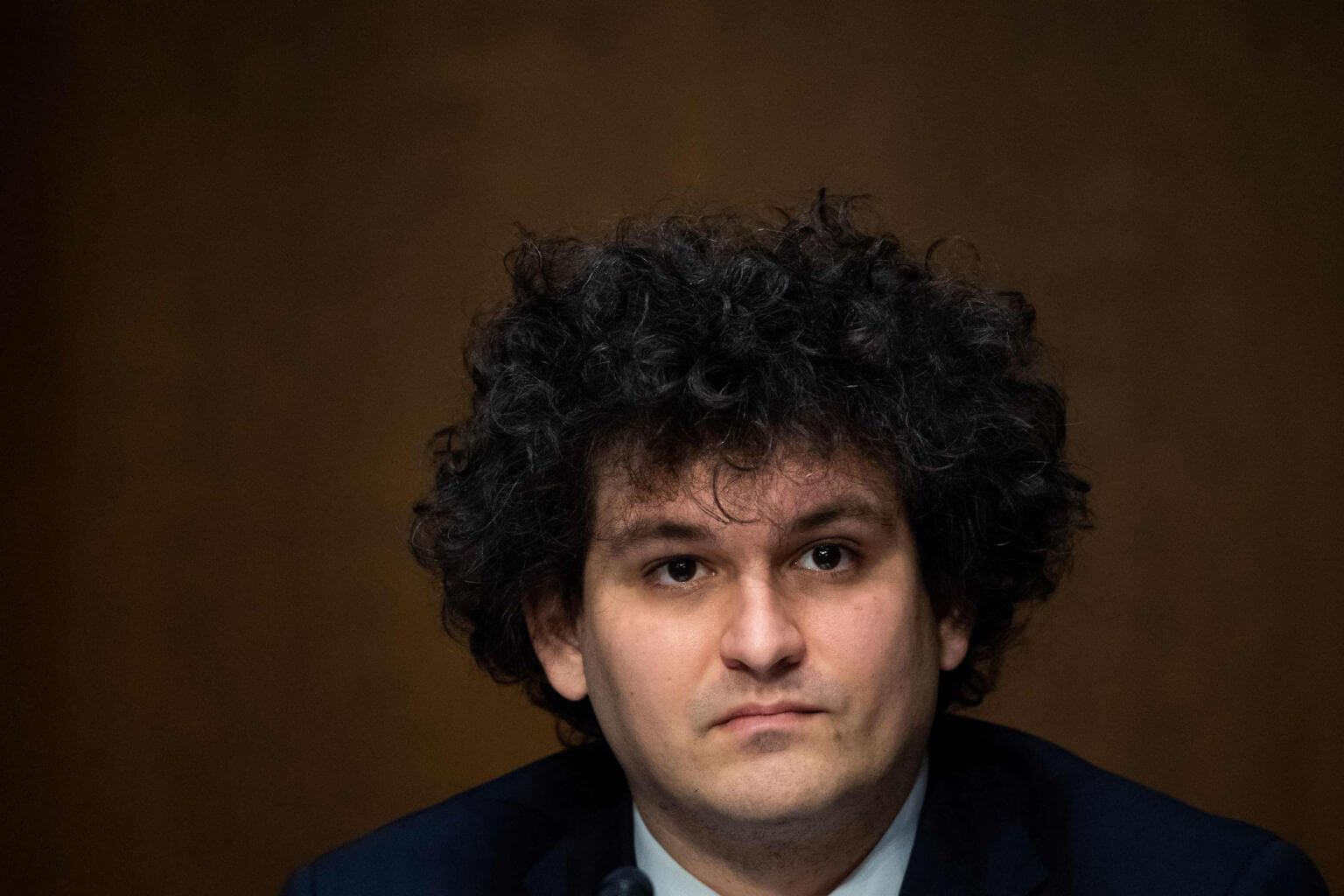
Sam Bankman-Fried Won’t Get a Pardon Even as Trump Courts Crypto
Imprisoned former FTX CEO Sam Bankman-Fried should not expect a presidential pardon from U.S. President Donald Trump, according to comments the president made during a wide-ranging interview with The New York Times.
The remarks put to rest months of speculation that Bankman-Fried might benefit from Trump’s increasingly crypto-friendly posture and aggressive use of clemency powers.
While discussing why he does not intend to intervene in the prostitution-related charges facing rapper Sean “Diddy†Combs, Trump made clear that Bankman-Fried is also not under consideration for a pardon.
The former crypto executive is serving a 25-year federal sentence for fraud tied to the collapse of FTX in 2022.
A Failed Rehabilitation Effort
Bankman-Fried had recently attempted to rebuild his public image through a series of interviews and engagements targeted at Republican-friendly audiences. But the effort appears to have made little impression on the president, who said he sees no reason to extend clemency.
This comes despite Bankman-Fried’s parents, former Stanford Law School professors Barbara Fried and Joseph Bankman, reportedly meeting with lawyers and individuals close to Trump in an effort to secure their son a political lifeline. The couple has been quietly advocating within conservative legal circles since the start of SBF’s appeal process.
Bankman-Fried is currently being held at the Metropolitan Detention Center in Brooklyn, where he has been assigned to the same dormitory as Combs. The two defendants also share an appeal attorney, Alexandra Shapiro, according to reports. Their unusual proximity has drawn public attention but appears to have had no bearing on Trump’s refusal to intervene.
Other High-Profile Cases Left Off the List
Trump also ran through other well-known legal cases in which he does not intend to grant mercy.
Those include former New Jersey Senator Robert Menendez and Venezuelan leader Nicolás Maduro, who was recently captured by U.S. authorities on narco-terrorism charges.
The president’s comments signal that, despite his willingness to issue high-profile pardons, he maintains a clear distinction between cases he sees as politically or morally justifiable and those he does not. Bankman-Fried, it appears, falls firmly into the latter category.
Mixed Signals in Trump’s Clemency Approach
Trump’s refusal to pardon the former FTX executive stands in contrast to his actions in other international and crypto-related cases.
He recently pardoned former Honduran president Juan Orlando Hernández, convicted of importing cocaine into the United States. Bankman-Fried openly praised the decision on X, formerly Twitter, prompting speculation that he was seeking to align himself publicly with the president’s worldview.
In the crypto sector specifically, Trump has issued several high-profile pardons. Among them are former Binance CEO Changpeng “CZ†Zhao, Silk Road founder Ross Ulbricht, and the co-founders of BitMEX. These moves have cemented Trump’s reputation as the most crypto-friendly president to date, a message he has leaned on heavily amid a growing digital asset policy agenda.
But Bankman-Fried’s saga—one of the most damaging fraud cases in crypto history—has carved out a distinct place in both public consciousness and political rhetoric. The scale of the losses, the collapse of one of the world’s largest exchanges, and the fallout that rippled across global markets appear to have made SBF an exception in an otherwise forgiving clemency landscape.
No Relief in Sight for the Former FTX CEO
For now, Trump’s comments leave little ambiguity: Bankman-Fried will not be receiving presidential help. And unless he succeeds in his ongoing appeal, the former FTX CEO is likely to remain in federal custody for the foreseeable future.
While Trump continues to position himself as a champion for the digital asset industry, and has extended clemency to multiple figures within it, Bankman-Fried remains a bridge too far. His 25-year sentence, one of the most consequential in the crypto sector’s history, appears set to stand without intervention from the White House.


