U.S. Stablecoin Debate Sparks Warning From Coinbase as China Moves Ahead
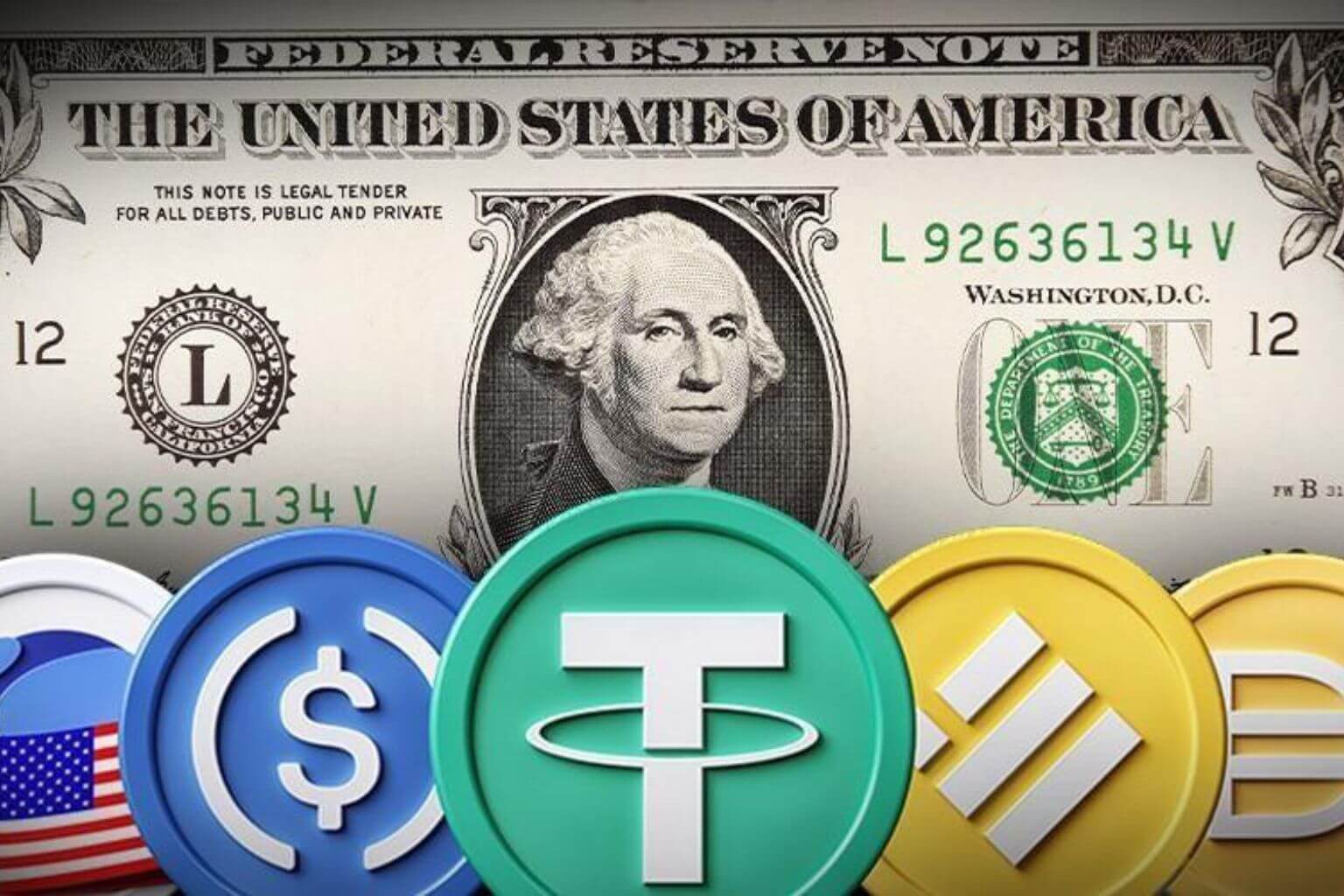
A senior executive at Coinbase has warned that potential changes to the United States’ stablecoin framework could weaken Washington’s position in the global race for digital payments, just as China moves to make its central bank digital currency more competitive.
In a post on X, Faryar Shirzad, Coinbase’s chief policy officer, said renewed debate over stablecoin “rewards” risks undermining the global appeal of U.S. dollar–backed digital assets.
His comments focus on Senate discussions tied to broader crypto market structure legislation that could reopen elements of the recently passed GENIUS Act.
Shirzad’s warning comes at a sensitive moment for global digital finance, as China accelerates efforts to enhance the functionality and attractiveness of its own digital currency.
China Pushes Digital Yuan Beyond Cash Use
This week, the People’s Bank of China outlined a new framework allowing commercial banks to pay interest on balances held in digital yuan wallets starting Jan. 1, 2026.
The move marks a shift in how China views its central bank digital currency, or e-CNY, which was initially positioned as a digital replacement for physical cash.
Lu Lei, a deputy governor at the PBOC, said the policy change would integrate the digital yuan into banks’ asset and liability management.
According to Lei, the update would move the e-CNY into what he described as the “digital deposit money” era, giving it core monetary functions such as value storage and cross-border payment capabilities.
Stablecoin Rewards Under Scrutiny in Washington
In the United States, the focus is now on how stablecoins are treated under the GENIUS Act, which became law in June. The legislation established strict reserve, disclosure and compliance requirements for stablecoin issuers while prohibiting them from paying direct interest on tokens.
However, the law allows platforms and third parties to offer rewards tied to stablecoin usage, such as loyalty programs or transaction-based incentives. It is this distinction that Shirzad says is now at risk.
“If this issue is mishandled in Senate negotiations on the market structure bill, it could hand our global rivals a big assist in giving non-U.S. stablecoins and CBDCs a critical competitive advantage at the worst possible time,” Shirzad warned.
Industry figures say pressure to revisit the law is coming largely from the banking sector. Crypto policy commentator Max Avery said in a recent post that bank lobbyists are seeking to reopen the GENIUS Act in an effort to limit stablecoin rewards.
Banks, Yield, And The Deposit Question
Avery argued that stablecoins pose a direct challenge to the traditional banking model. While banks earn roughly 4% on reserves parked at the Federal Reserve, consumers often receive little or no interest on standard savings accounts. Stablecoin platforms, he said, disrupt that dynamic by offering ways to share yield or provide rewards to users.
From that perspective, the debate over rewards is not just about crypto policy, but about competition for deposits and the future of retail banking in a digital economy.
Coinbase Leadership Draws A Red Line
The issue has also drawn sharp comments from Coinbase’s top leadership. Last week, Brian Armstrong said any attempt to reopen the GENIUS Act would cross a “red line,” accusing banks of lobbying Congress to protect their deposit base.
Armstrong said Coinbase would continue to oppose revisions to the law, adding that he was surprised by how openly banking interests were pushing for changes.
He also argued that banks are misjudging the long-term opportunity, predicting that they will eventually seek to offer interest-bearing stablecoins themselves once the business case becomes undeniable.
He described the current lobbying effort as unethical and suggested it would ultimately fail as consumers gravitate toward more efficient, digitally native forms of money.
A Growing Global Competition In Digital Money
With China moving to enhance the appeal of the digital yuan and U.S. lawmakers debating the limits of stablecoin incentives, industry leaders warn that regulatory decisions made now could have lasting global consequences.
As digital payments become increasingly strategic, the risk, according to crypto executives, is that restricting U.S. stablecoins too tightly could push users toward foreign alternatives. With Senate negotiations on crypto market structure ongoing, the outcome may help determine whether the U.S. dollar maintains its influence in the next phase of the digital financial system.


