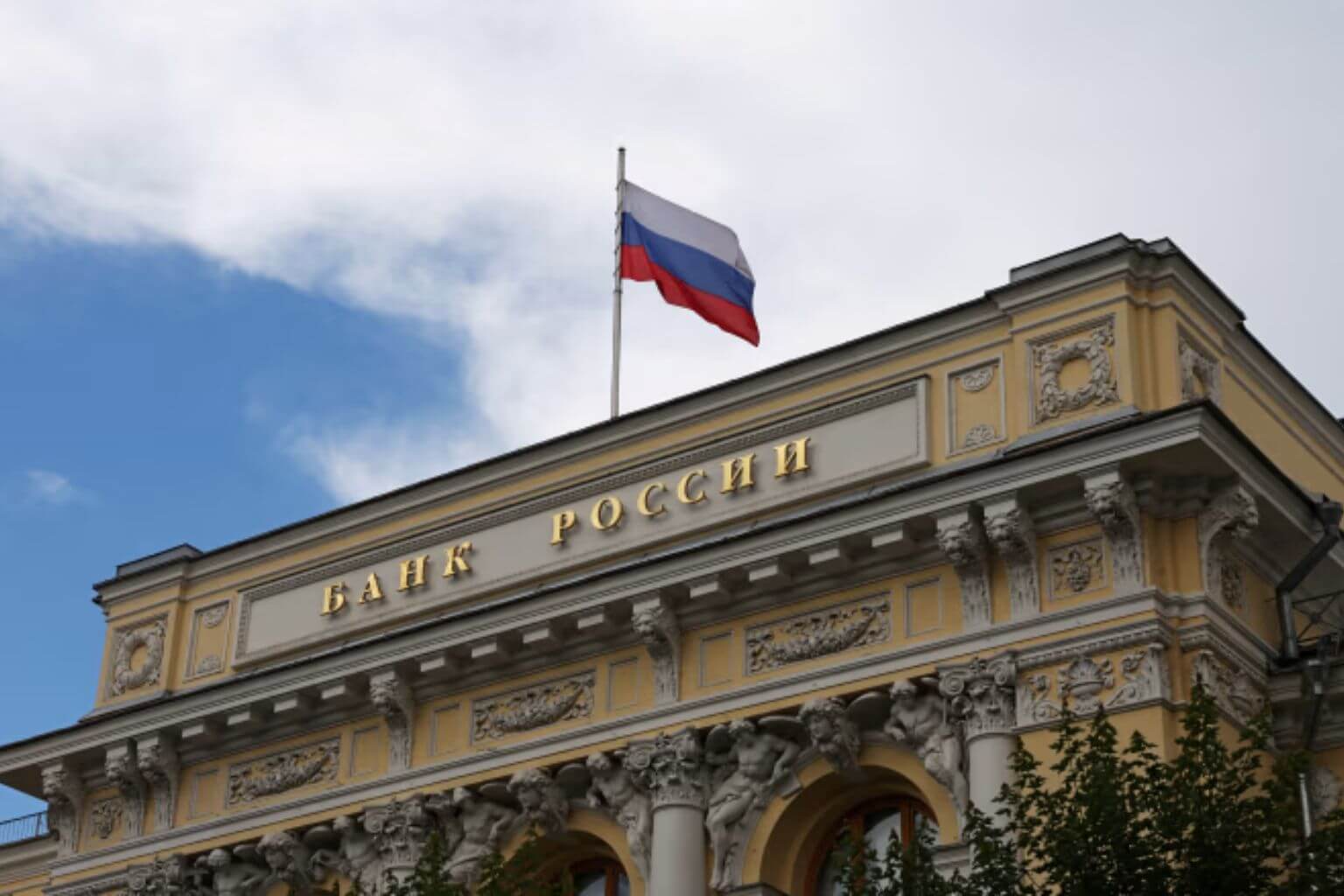
Russia’s Central Bank Admits Bitcoin Mining Is Helping the Ruble
Russia’s fast-growing Bitcoin mining sector is increasingly being viewed as an economic tailwind—and may even be helping to support the ruble—according to unusually conciliatory comments from Elvira Nabiullina, the long-time crypto skeptic who heads the Russian central bank.
Speaking to business outlet RBC, Nabiullina said that while the true scale of crypto mining’s impact is difficult to measure, the sector has become one of several factors contributing to the ruble’s relatively strong exchange rate.
“It is probably difficult to quantify the impact of crypto mining right now, because a significant portion of it remains in the gray zone,†Nabiullina said. “Mining is indeed one of the additional factors contributing to the ruble’s strong exchange rate.â€
The remarks stand out given the central bank’s historically hostile posture toward digital assets.
From Hardline Critic to Cautious Acknowledgment
Nabiullina has long warned that “private cryptocurrencies†such as Bitcoin could threaten financial stability. In previous years, she openly supported banning crypto mining and restricting digital asset trading platforms, arguing that speculative capital flows posed risks to the broader economy.
That stance, however, has softened as Russia’s strategic priorities shifted. Following waves of Western sanctions and changes in global trade dynamics, policymakers began reassessing industries capable of generating foreign-linked revenue with limited reliance on traditional financial rails.
Industrial crypto mining fit that profile. Moscow has encouraged miners to operate in regions with surplus electricity, particularly in Siberia, where cold climates reduce cooling costs and idle power capacity can be monetized.
Also read: Bitcoin Mining Revenues Sink While Hashrate Dips 1%: JPMorgan
As a result, Russia has seen a sharp rise in registered mining operations—alongside a persistent shadow sector of illegal and quasi-legal miners.
While unauthorized miners have been blamed for localized power shortages, especially in established mining hubs, their activity has also contributed to Russia’s expanding share of global hash rate.
Bitcoin Mining Emerges as a New Export Channel
Earlier this month, a senior presidential aide publicly acknowledged that crypto mining’s economic impact had been underestimated. According to the aide, failing to fully account for mining-related capital flows has led to “incorrect ruble exchange rate forecasts.â€
The official went further, describing mining as “a new export item†that is beginning to influence Russia’s foreign exchange market. Unlike traditional exports, Bitcoin mining effectively converts domestic energy into a globally liquid digital asset, offering a new way to generate value outside conventional trade channels.
That framing marks a notable shift in how parts of the Russian government now view crypto infrastructure—not as a speculative sideshow, but as a contributor to macroeconomic dynamics.
Central Bank Signals Openness to Regulation
RBC reported that the coming year could see the central bank retreat even further from its once uncompromising position.
Nabiullina and the bank are said to be in discussions with the Ministry of Finance, the anti-money-laundering watchdog Rosfinmonitoring, and other state bodies about formal cryptocurrency regulations.
Under emerging proposals, most crypto transactions would be routed through existing licensed market participants—primarily banks and financial institutions already supervised by the central bank. Such a framework would allow authorities to retain oversight while accommodating growing demand for digital asset exposure.
The direction of travel is already visible in the banking sector. State-linked lenders VTB Bank and Sberbank have both expressed interest in expanding crypto-related offerings.
Banks Test Regulated Crypto Market Access
This year, VTB, Sberbank, and several peers launched crypto-linked derivatives products tied to digital asset prices. Bank executives say they are also preparing pilot programs that would allow high-net-worth clients to buy and sell spot cryptocurrencies such as Bitcoin and Ethereum under controlled conditions.
While retail crypto trading remains tightly restricted, these pilots signal a pragmatic shift toward regulated access rather than outright prohibition.
For Nabiullina, whose reputation was forged through conservative monetary stewardship, acknowledging crypto mining’s role in supporting the ruble reflects a broader recalibration.
As Russia deepens its embrace of industrial Bitcoin mining and cautiously experiments with regulated crypto markets, even the sector’s most vocal critics appear willing to concede its growing economic relevance.


