Five Crypto Firms Win Key US Bank Approvals in a Major Regulatory Turning Point
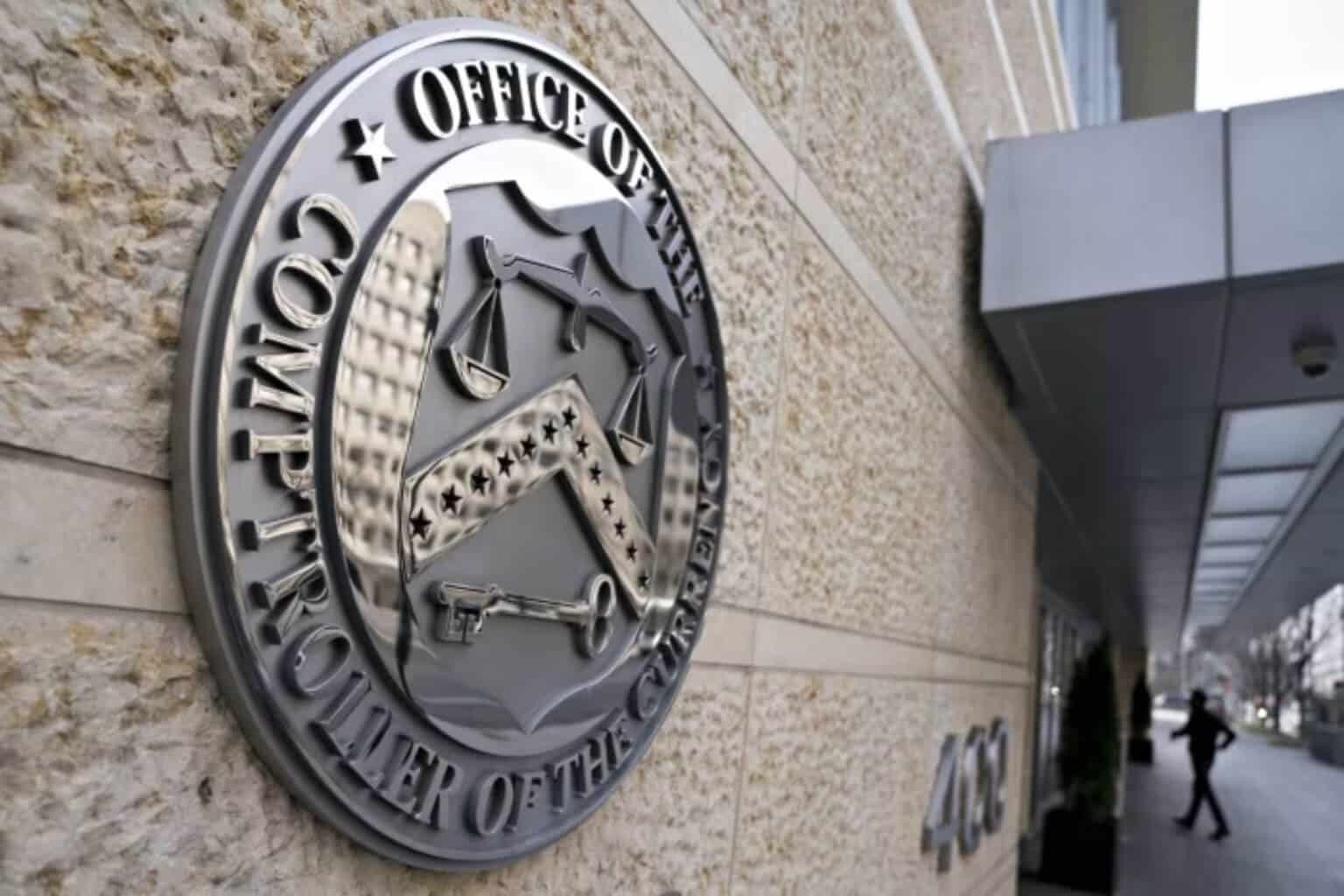
The U.S. Office of the Comptroller of the Currency (OCC) has conditionally approved five national bank charter applications linked to major companies in the digital assets sector, signaling a notable expansion of federally regulated pathways for crypto firms seeking a deeper foothold in the U.S. banking system.
OCC Grants Conditional Approval to Crypto Firms
In a notice published Friday, the OCC said it had conditionally approved applications from BitGo, Fidelity Digital Assets and Paxos to convert their existing state-level trust companies into federally chartered national trust banks.
In the same announcement, the regulator also granted conditional approval to new national trust bank charter applications submitted by Circle and Ripple.
The approvals are not final and remain subject to additional supervisory, operational, and governance requirements. Still, they represent a significant endorsement of digital asset custody and infrastructure services under the federal banking framework.
“New entrants into the federal banking sector are good for consumers, the banking industry and the economy,” said Jonathan Gould, the Comptroller of the Currency.
He added that the OCC will continue to provide a pathway for both traditional and innovative financial services to ensure the federal banking system keeps pace with the evolution of finance.
Also read: The End of Cash: Standard Chartered CEO Says All Money Will Go Digital
Custody at the Center of Charter Plans
While the wording of each approval letter differed slightly, the five companies broadly outlined plans to use their national trust bank charters to provide digital asset custody services. These services are increasingly in demand from institutional investors, asset managers, and corporations that require federally regulated custodians to hold crypto assets on their behalf.
The focus on custody reflects how crypto firms are positioning themselves within existing regulatory structures, prioritizing services that align most closely with traditional trust banking functions rather than consumer lending or deposit-taking.
Fidelity Digital Assets, which operates as part of the broader Fidelity Investments group, has long emphasized institutional-grade custody and execution services. The conditional approval further aligns its crypto arm with the regulatory standards applied to legacy financial institutions.
Stablecoins and Diverging Strategies
Paxos’ application stands out for explicitly allowing the issuance of stablecoins under a national trust bank charter.
The company said its federally regulated platform would enable businesses to “issue, custody, trade and settle digital assets with clarity and confidence,” reinforcing its compliance-first approach.
Ripple, however, drew a clear line around its stablecoin ambitions. In its application, the company said its charter would not be used to issue its U.S. dollar-pegged stablecoin, RLUSD. Instead, the charter is intended to support custody and trust services tied to Ripple’s broader blockchain and payments infrastructure.
Circle, the issuer of the USDC stablecoin, also received conditional approval for a national trust bank charter. The move strengthens Circle’s regulated profile in the U.S. as stablecoins increasingly attract attention from lawmakers and financial regulators.
IPO Paths Highlight Industry Differences
The OCC approvals arrive at different moments in each company’s corporate trajectory.
BitGo is currently under review by the U.S. Securities and Exchange Commission after filing in September for an initial public offering on the New York Stock Exchange. The company reported roughly $90 billion in assets under custody.
Circle completed its own IPO in May, listing on the New York Stock Exchange and becoming one of the most prominent publicly traded crypto-focused firms in the U.S.
In contrast, Ripple president Monica Long said in November that the company does not plan to pursue an IPO, while Paxos has not announced any intention to go public as of December.
Growing Interest in Federal Charters
The five approvals represent only a subset of crypto firms seeking federal banking status. Coinbase confirmed in October that it had filed an application with the OCC, though the exchange emphasized it has “no intention of becoming a bank.”
As more crypto companies pursue national trust bank charters, the OCC’s decisions may set important precedents for how digital asset custody, stablecoins, and blockchain-based financial services are integrated into the U.S. banking system under federal oversight.