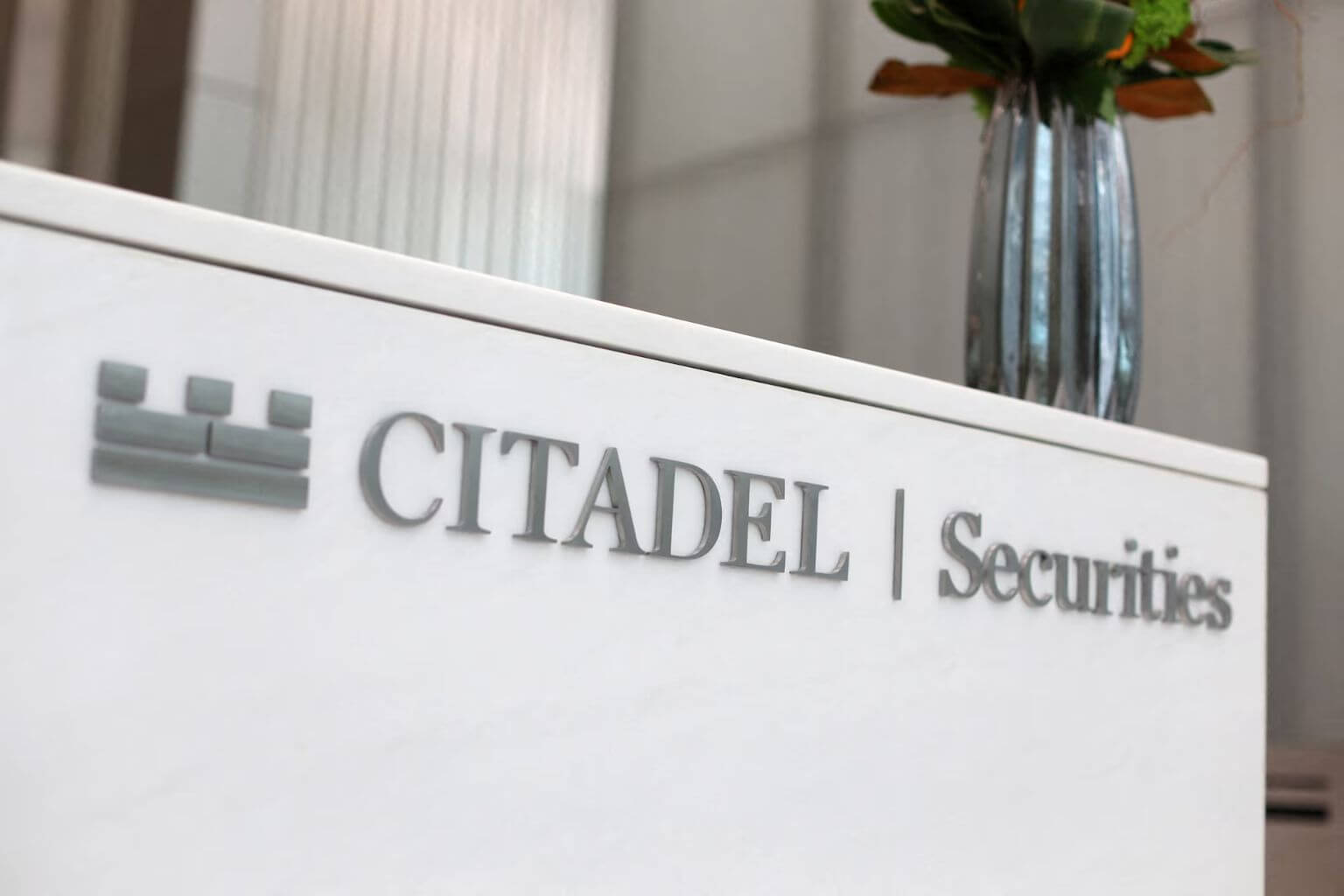
DeFi Fires Back at Citadel as Wall Street Pushes SEC to Rein In Tokenized Markets
The decentralized finance industry is pushing back after Citadel Securities urged U.S. regulators to take a firmer stance on DeFi protocols involved in tokenized securities, arguing that the firm’s concerns are rooted more in competitive self-interest than in investor protection.
In a letter sent Friday to the U.S. Securities and Exchange Commission, a coalition of crypto advocacy groups, venture investors, and legal experts rejected what they described as “baseless” claims made by Citadel in a 13-page submission earlier this month.
That letter warned the SEC that DeFi platforms facilitating tokenized securities could be operating as unregistered exchanges or broker-dealers, and therefore should be subject to the same regulatory framework as traditional market intermediaries.
The response was signed by the DeFi Education Fund, venture capital firm Andreessen Horowitz (a16z), the Digital Chamber, Orca Creative, law professor J.W. Verret, and the Uniswap Foundation, among others.
Dispute Over How DeFi Should Be Regulated
At the heart of the dispute is whether decentralized, software-based protocols can or should be regulated in the same way as centralized financial institutions.
Citadel Securities has argued that DeFi systems replicating core market functions—such as matching buyers and sellers of tokenized securities—should be required to register with the SEC to preserve market integrity and investor protections.
The DeFi coalition countered, and said that approach misunderstands both the technology and the regulatory tools available to policymakers.
“While we share Citadel’s aims with respect to investor protections, orderly markets, and the integrity of the national market system, we disagree that achieving these goals always necessitates registration as traditional SEC intermediaries,” the letter stated.
The group argued that “thoughtfully designed onchain markets” can, in certain circumstances, meet regulatory objectives without forcing decentralized protocols into compliance frameworks designed for centralized actors.
Political Context Shifts the Debate
The exchange comes at a moment of transition in Washington. The SEC, now operating under leadership appointed during President Donald Trump’s second administration, has signaled a willingness to reassess the agency’s approach to digital assets and decentralized technologies.
That posture was reinforced this week by White House crypto adviser Patrick Witt, who wrote on X that his office supports the “need to protect software developers and DeFi.”
The statement aligns with a broader push among some policymakers to distinguish between developers who publish open-source code and centralized entities that exercise control over financial activities.
This evolving regulatory environment has emboldened DeFi advocates, who see an opportunity to shape rules that acknowledge decentralization rather than defaulting to enforcement actions.
Citadel Defends Its Position
Citadel Securities, one of the most influential market-making firms in traditional finance, has rejected the notion that its position is driven by fear of competition.
In a statement, a spokesperson said the firm “strongly supports tokenization and other innovations that can reinforce America’s leadership in digital finance.”
Also read: The $100 Trillion Revolution: Tokenization Set to Redefine Global Finance
“But this does not require sacrificing the rigorous investor protections that have made U.S. equity markets the global gold standard,” the spokesperson added.
Citadel’s original letter emphasized that allowing markets with similar functionality to operate under different regulatory standards could undermine fairness and stability, particularly as tokenized assets increasingly mirror traditional equities and bonds.
DeFi Coalition Accuses Citadel of Self-Interest
The DeFi response letter accused Citadel’s submission of containing “several factual mischaracterizations and misleading statements” about how decentralized protocols operate.
Jennifer Rosenthal, a spokesperson for the DeFi Education Fund, went further, suggesting that the firm’s concerns reflect a desire to preserve its dominant market position.
“It is convenient for Citadel to question the existence of a technology that threatens its business and significant market share,” Rosenthal said.
Industry participants argue that DeFi’s open, automated infrastructure challenges incumbent intermediaries by reducing reliance on centralized market makers and clearing firms. As tokenization gains traction, that tension is likely to intensify.
The SEC has not publicly responded to either letter, but the exchange shows the growing urgency around how tokenized securities and onchain markets will be regulated in the United States.
With Wall Street firms increasingly exploring blockchain-based finance and DeFi protocols pushing for regulatory recognition rather than restriction, the outcome could shape the future structure of U.S. capital markets.
For now, the battle lines are clear: traditional financial powerhouses calling for established rules to apply, and DeFi advocates arguing that new technology demands new regulatory thinking.


