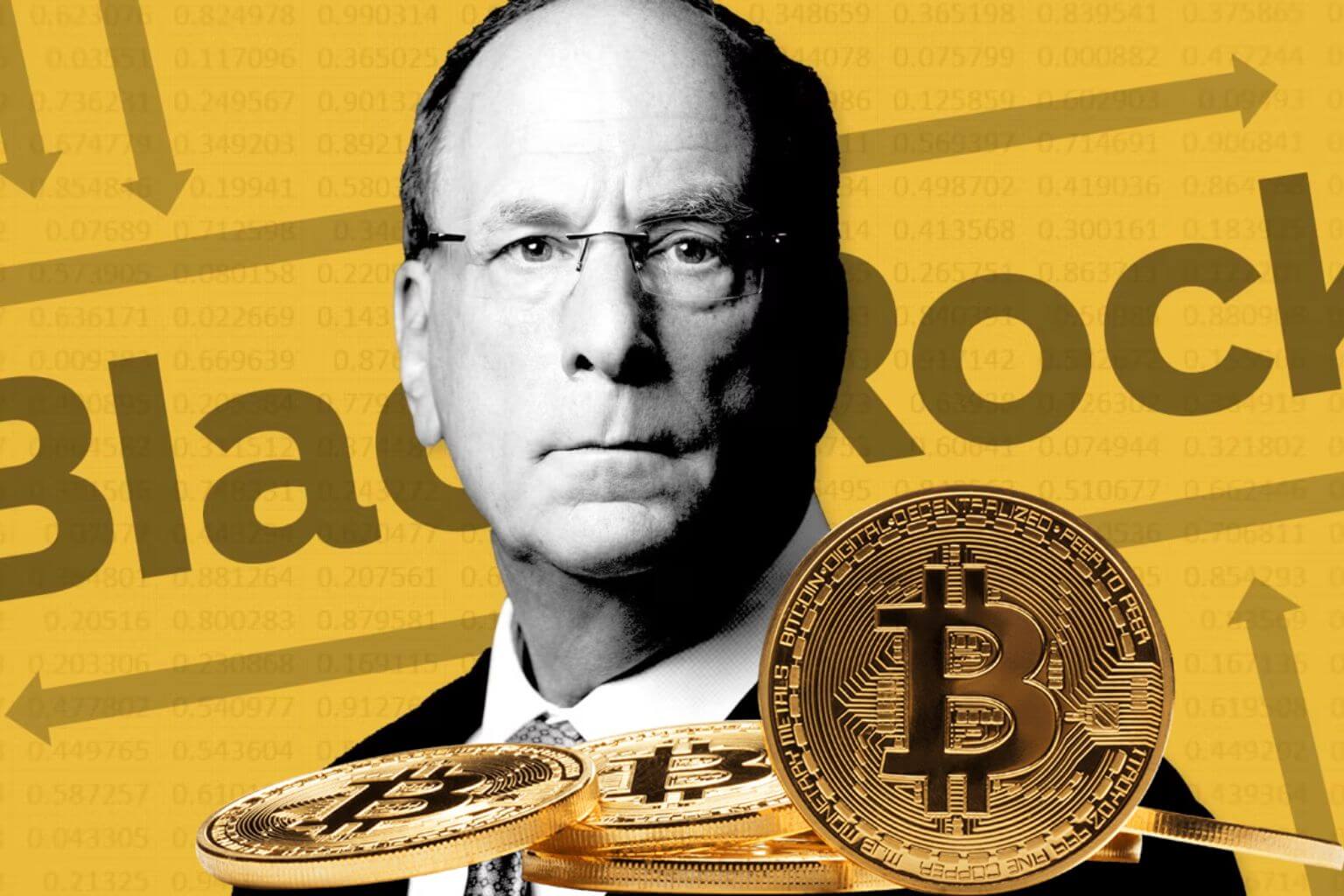
Larry Fink Reveals State Investors Were Accumulating Bitcoin During the Crash
Sovereign wealth funds were quietly accumulating Bitcoin during the asset’s sharp pullback in recent weeks, according to BlackRock CEO Larry Fink.
Speaking at the New York Times DealBook Summit, Fink said state-backed asset managers were “adding incrementally at $120,000, $100,000,†and even buying more aggressively when BTC dipped into the $80,000 range.
“We’re seeing more and more legitimate, long-holding investors investing in it,†Fink said, noting that these sovereign funds are not trading the asset but building long-term strategic positions. His remarks add rare public confirmation that government-controlled entities have been actively buying the dip amid Bitcoin’s volatility.
Known State Investors and New Accumulation Trends
Some sovereign wealth funds — including Abu Dhabi’s Mubadala Investment Company and Luxembourg’s national investment vehicle — have previously disclosed exposure to Bitcoin through U.S.-listed spot ETFs.
What is notable this time, Fink said, is the scale and timing of the recent buying, which occurred as Bitcoin dropped below the $90,000 mark.
The additional accumulation signals rising conviction from institutions typically known for caution and multi-decade investment horizons. That sovereign wealth funds purchased BTC during a downturn suggests a strategic reallocation rather than opportunistic speculation.
Also read: BlackRock CEO Larry Fink Compares Tokenization’s Impact to the Early Days of the Internet
Bitcoin as a Long-Term Hedge Against Debt and Inflation
Fink used the DealBook stage to again articulate Bitcoin’s emerging appeal among large allocators: its perceived utility as a hedge against rising government debt and inflationary pressure.
“I believe there is a big, large use case for it,†he said, emphasizing that these investors view bitcoin as a long-duration asset with a clear macroeconomic purpose.
In his view, Bitcoin’s programmed scarcity offers protection in an environment where currency debasement is becoming a systemic concern. Sovereign wealth funds, responsible for preserving national wealth across generations, may be especially sensitive to these long-term risks.
From Skeptic to Advocate: Fink’s Evolving Position
Fink’s own stance on Bitcoin has transformed dramatically over the past decade.
Once dismissive of crypto and vocal about its association with illicit finance, he has since become one of its most influential institutional backers. Under his leadership, BlackRock launched the iShares Bitcoin Trust (IBIT) in early 2024 — an ETF that quickly became the most profitable in the asset manager’s history.

US spot BTC ETF flows (Source: Farside Investors)
The success of IBIT provided sovereign funds and other major allocators with a regulated vehicle through which to gain exposure at scale, helping shift Bitcoin from the margins of global finance to the mainstream of portfolio construction.
Institutional Demand Deepens Despite Market Volatility
Bitcoin’s recent pullback below $90,000 did little to slow institutional flows, according to Fink. Instead, it appears to have encouraged accumulation among sovereign wealth funds seeking to extend their long-term holdings.
These entities collectively control more than $10 trillion in assets. Even modest allocations translate into substantial market participation. Their growing involvement may also provide stabilization during periods of volatility, potentially reinforcing bitcoin’s emerging role as a strategic asset rather than a speculative instrument.
A New Geopolitical Phase of Bitcoin Adoption
Fink’s comments suggest a broader shift: nation-state investment arms are beginning to treat bitcoin as a structural component of their global portfolios. If this pattern continues, sovereign wealth funds could become influential actors in the market, shaping liquidity, regulatory expectations, and long-term price dynamics.
With Bitcoin ETFs offering regulated access and macroeconomic risks pushing allocators toward non-sovereign stores of value, Fink’s message is clear — sovereign wealth funds are no longer watching from the sidelines. They’re buying the dip, and they’re doing so with a multi-year purpose in mind.


