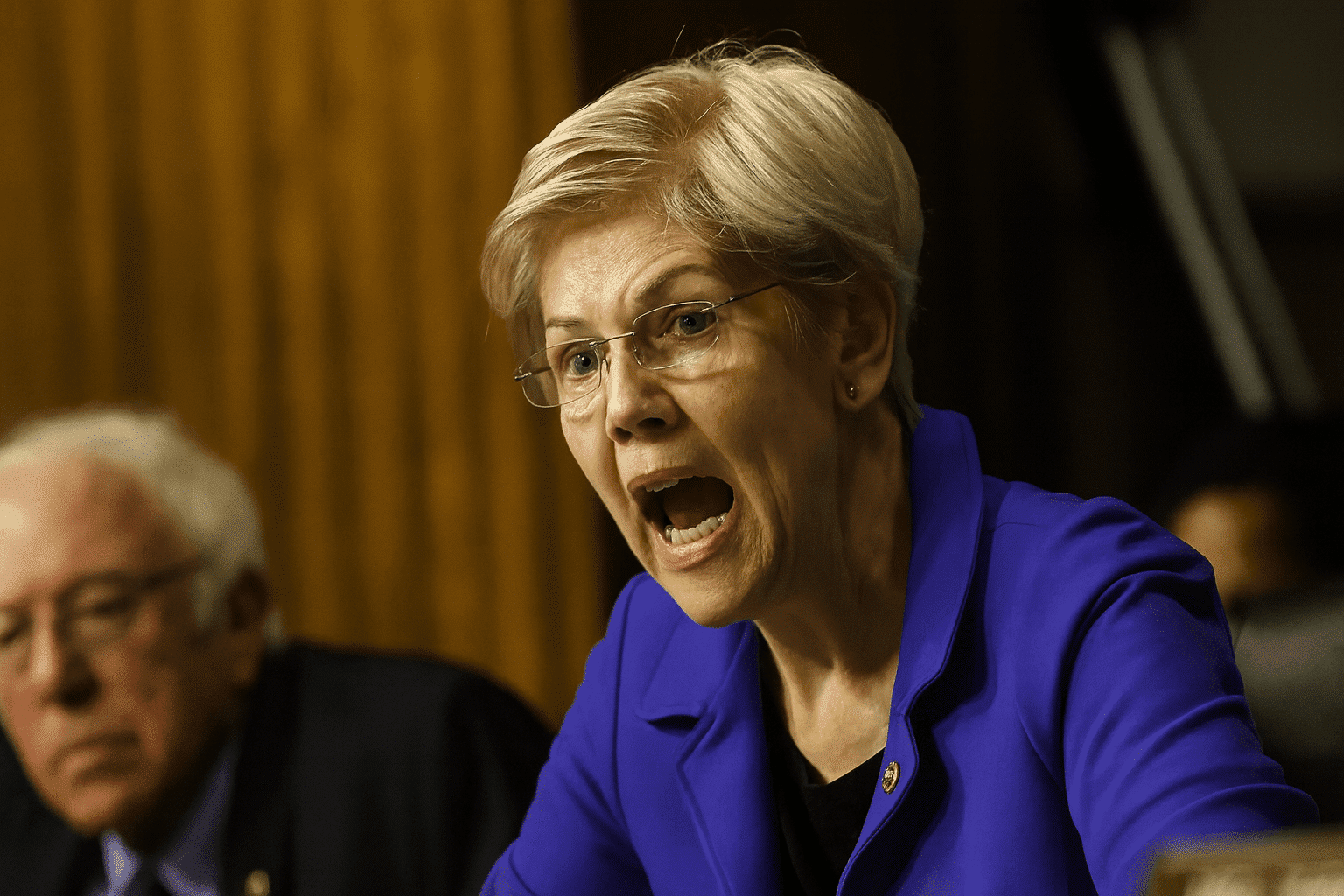
Secretive Senate Crypto Negotiations Collide With Warren’s Trump Probe
U.S. lawmakers are deep in closed-door negotiations over legislation that would establish the first comprehensive regulatory framework for U.S. crypto markets.
The long-awaited market structure bill, which has been debated for years, is now the subject of unusually tight-lipped discussions among senators — a sign, according to lobbyists, that policymakers may finally be hammering out the most sensitive details.
The Senate Banking Committee and Senate Agriculture Committee must each approve their own drafts before any bill can advance. Advocates hope for a markup in Banking before the end of the year, though Agriculture’s version still contains “significant gaps†that need to be resolved.
Even with the heightened momentum, the path forward remains complicated — and politics may be the biggest obstacle.
Warren Escalates Scrutiny of Trump’s Crypto Connections
As negotiations unfold, Senator Elizabeth Warren is stepping up her campaign to expose what she calls President Donald Trump’s conflicts of interest in the digital asset industry.
Recently, Warren and Senator Jack Reed sent a letter to Treasury Secretary Scott Bessent and Attorney General Pam Bondi demanding information on reports that World Liberty Financial Inc. (WLFI), a crypto company linked to Trump, sold tokens to “North Korea, Russia and other illicit actors.â€
The allegations originated from Accountable.us, a watchdog group that said WLFI’s token sales raise serious concerns about sanctions evasion, money laundering, and terrorist financing. Warren and Reed pressed the Treasury and Justice Department for clarity on the company’s due-diligence procedures and whether national security risks were overlooked.
Warren — a longtime crypto critic — argues the president’s connection to WLFI creates an unacceptable conflict as the administration pursues policies that would directly benefit his financial interests.
Democrats Split on Crypto Policy and White House Conflicts
While Warren has taken a hard-line stance, other Democrats on the Senate Banking Committee have shown a willingness to negotiate market structure language. That division has prevented Democrats from mounting a unified front and, unusually, has left Warren without the ability to block legislation outright.
The internal split reflects broader tension in the party: Some lawmakers want tighter rules for exchanges, stablecoins, and disclosures — along with explicit bans preventing the president and senior officials from holding crypto business ties. Others see the need to move quickly on legislation that brings clarity to an industry that has operated for years without formal guardrails.
So far, Republican lawmakers have firmly rejected any prohibition preventing federal officials from having crypto-related business interests, characterizing the proposals as politically motivated and unnecessarily restrictive.
Secretive Negotiations Raise Hopes of a Breakthrough
Despite the political friction, optimism is rising among industry advocates.
Crypto lobbyists say the unusually secretive nature of current Senate talks suggests that lawmakers may be negotiating the bill’s most consequential provisions — such as agency jurisdiction, exchange licensing, and safeguards against financial crime.
Closed-door negotiations of this kind typically occur when lawmakers believe a deal is still possible but fragile enough to require privacy. If the Banking Committee can finalize its draft soon, a markup may still happen before year-end, though that timeline remains uncertain.
High Stakes for U.S. Crypto Policy
With Warren intensifying pressure on Trump’s crypto ties and the Senate scrambling to finalize legislative text, the next several weeks could prove decisive for the future of U.S. crypto oversight.
Whether the final bill includes strict conflict-of-interest rules for federal officials — or reflects a more moderate, industry-friendly compromise — may shape how Washington approaches digital assets for years to come. And the political fault lines are growing sharper.
The Senate’s ability to bridge those divides will determine whether the U.S. finally adopts a clear regulatory framework — or remains stuck in policy limbo as the crypto market continues to evolve faster than Congress can act.


