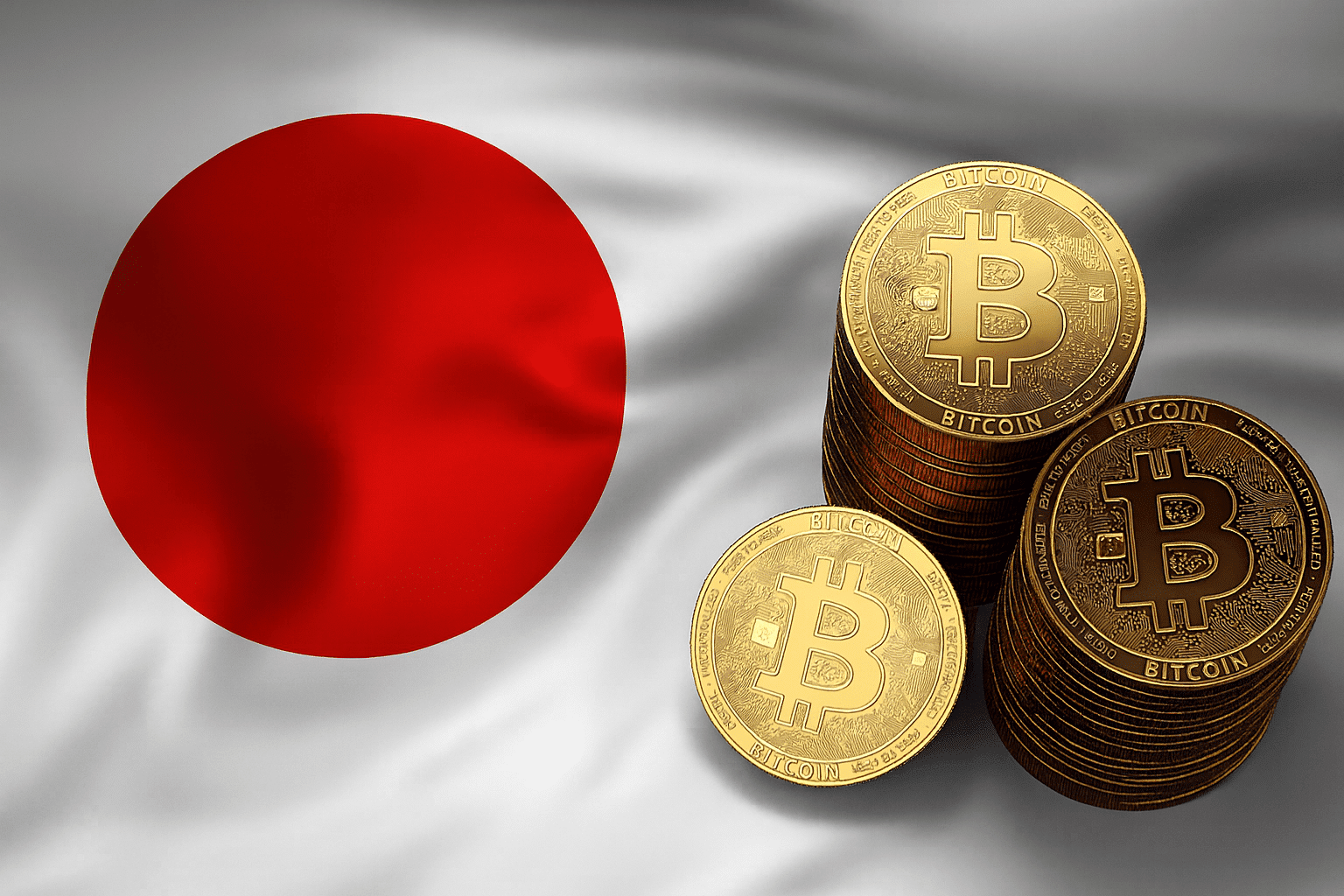
Japan Proposes Classifying Crypto as Financial Products, Imposing New Disclosure Rules: Report
Japan is preparing one of its most significant crypto regulatory shifts to date, with the Financial Services Agency (FSA) moving to classify digital assets as “financial products” under the country’s Financial Instruments and Exchange Act, according to a Sunday report from Asahi Shimbun.
If implemented, the change would formalize cryptocurrencies within Japan’s established financial framework and impose new disclosure and compliance requirements on exchanges and issuers.
The proposal marks the latest step in Japan’s gradual tightening of oversight over the digital asset sector, which has accelerated in recent years following major exchange failures, increased market volatility, and a surge in institutional interest.
Mandatory Disclosures for 105 Cryptocurrencies
A key feature of the FSA’s plan is a new requirement for Japanese crypto exchanges to disclose detailed information about each of the 105 approved tokens they list. This includes the two largest assets, Bitcoin (BTC) and Ether (ETH), as well as a broad collection of altcoins currently traded on domestic platforms.
According to the report, exchanges would need to publicize whether each asset has a clear and identifiable issuer, the technical specifications of the underlying blockchain, and the token’s volatility profile. This type of information is already required for traditional securities in Japan but has never been mandated for crypto assets.
Critically, the classification of digital assets as financial products would also bring them under the country’s insider trading rules for the first time.
Individuals or organizations with access to market-moving non-public information—such as upcoming token listings, delistings, or indications that an issuer is under financial strain—would be legally barred from trading those assets ahead of public disclosure.
The FSA aims to present the legislative package to Japan’s main parliamentary session in 2026, setting the stage for what could become one of the world’s strictest—but clearest—crypto regulatory regimes.
Push for a 20% Flat Tax on Crypto Gains
Japan’s tax treatment of crypto has long been a point of contention for both retail traders and institutional participants.
Currently, crypto profits fall under the “miscellaneous income” category, which can result in tax rates as high as 55% for high earners—a level critics say discourages active trading, investment, and innovation.
The FSA is now advocating for the 105 approved digital assets to be taxed similarly to equities, which are subject to a flat 20% capital gains tax. If adopted, the shift could significantly improve Japan’s competitiveness in the global crypto market, potentially attracting new participants and encouraging domestic growth.
This change would also bring crypto into closer alignment with Japan’s broader financial taxation framework, reinforcing the FSA’s push to treat digital assets more like traditional financial instruments.
Strengthening Market Integrity Through Insider Trading Rules
One of the most notable elements of the proposal is its focus on insider trading prevention. While Japan has well-established laws covering insider actions for securities, crypto has historically operated in a gray area. This ambiguity has left regulators with limited recourse when individuals with privileged information trade ahead of the market.
Under the new rules, anyone with early access to sensitive information—exchange staff, project teams, insiders at issuer companies, or affiliated partners—would face clear legal restrictions. By bringing crypto under the same scope as equities, Japan aims to promote market fairness, transparency, and investor confidence.
The move comes at a time when global regulators are increasingly concerned about information asymmetry in the digital asset space, particularly around exchange listings, liquidity changes, and token issuer disclosures.
Japan Considers Allowing Banks to Hold Bitcoin
The push for expanded crypto oversight comes on the heels of another notable development: Japan is in early discussions about allowing banks to acquire and hold Bitcoin and other digital assets for investment purposes.
Under current rules, banks are effectively prohibited from holding crypto due to strict capital and risk-management requirements. But rising institutional interest, coupled with a shifting global regulatory landscape, has prompted the FSA to revisit those restrictions.
The agency is also exploring whether bank groups should be allowed to register directly as licensed cryptocurrency exchanges, enabling them to offer trading, custody, and other digital asset services in-house. If approved, this would represent a major step toward integrating crypto into Japan’s mainstream financial sector.
A Major Turning Point for Japan’s Crypto Market
Japan has long been viewed as one of the more progressive yet cautious jurisdictions in the crypto space.
The proposed changes—mandatory disclosures, insider trading prohibitions, a unified capital gains tax rate, and potential bank involvement—signal a new era of regulatory clarity. If enacted, they could reshape the structure of Japan’s crypto market, boosting transparency while expanding institutional participation.


