From Tariffs to Bitcoin: How the U.S. Might Build a National Crypto Reserve
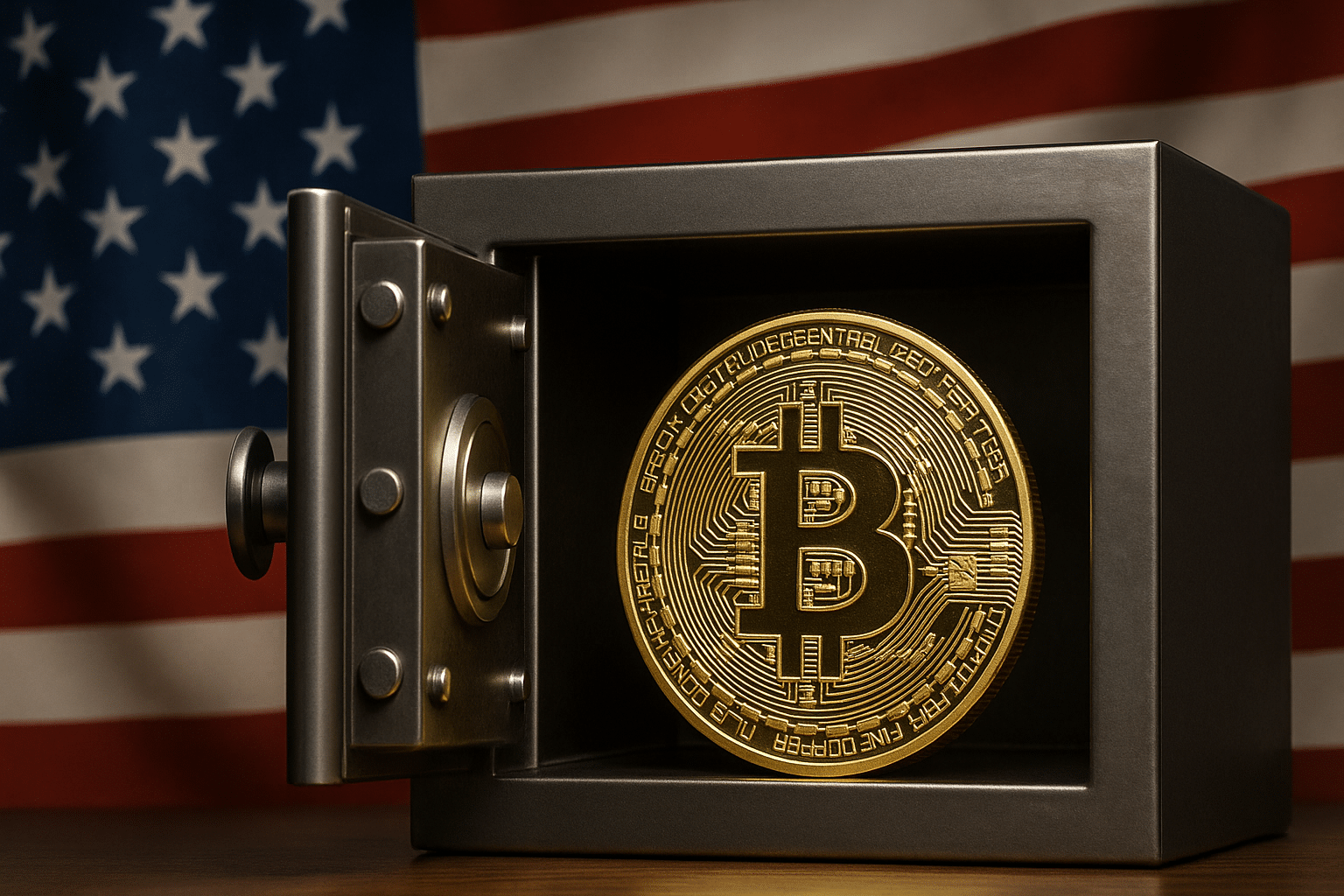
Adam Livingston, author of The Bitcoin Age and The Great Harvest, has proposed using the revenue from the United States trade tariff surplus to expand the Strategic Bitcoin Reserve established under President Donald Trump’s March 2025 executive order.
He argues that increased tariff collections under current trade policies could provide a budget-neutral source to buy more Bitcoin (BTC) without touching taxpayer funds.
While precise 2025 tariff figures remain undisclosed, reports suggest collections have surged and could realize a substantial surplus that would not be used for Medicare, entitlements, or debt service.
Livingston’s recommendation is in line with the executive order’s mandate to avoid new federal spending for BTC purchases.
The proposal prioritizes security, with BTC stored in geographically distributed, multi-signature cold storage and subject to transparent proof-of-reserves audits. The assets would be barred from trading, staking, selling, lending, or funding other programs, but only as a strategic reserve like gold.
Livingston described the surplus in an X post as “floating, waiting, looking for a productive use case.†The post has triggered debate across communities and social media, with supporters citing its potential to fortify the United States’ financial strategy without fiscal strain, though some question its economic impact.
United States Considers Alternative Funding Options
To further increase the country’s strategic reserve, other budget-neutral strategies are under review.
One involves revaluing the United States Treasury gold holdings at $42.22 per troy ounce compared to their approximately $3,200–$3,335 market value, potentially unlocking paper gains of nearly $600 billion without liquidating physical gold.
Another option, selling oil from the Strategic Petroleum Reserve to fund BTC purchases, has been discussed, though no decisions have yet been made.
Treasury Secretary Scott Bessent initially stated on Aug. 14, 2025, that the reserve would rely solely on confiscated assets, around 198,000 to 203,239 BTC, currently valued between $15 and 20 billion.
He subsequently clarified on X that budget-neutral options, including tariff revenue, are being considered.
The reserve, established in March 2025 with seized BTC, marks a change toward recognizing Bitcoin as a sovereign asset.
A New Financial Frontier with Bitcoin as National Asset
The proposal could solidify the United States as a leader in digital asset adoption, ultimately changing global markets.
Bitcoin’s price, recorded between $84,000 and $86,000 in April 2025, has shown volatility, with some projections suggesting higher values by August due to reserve-related optimism.

BTC price chart (Source: CoinMarketCap)
Bitcoin advocate Adam Back called the reserve’s creation “huge†on X, noting its potential to legitimize BTC for institutions like sovereign wealth funds. Critics, however, warn that tariffs may raise consumer prices, a concern backed by economic studies.
With approximately 200,000 BTC in its holdings, the reserve could serve as a hedge against inflation and dollar depreciation, in line with Trump’s trade agenda.
If adopted, Livingston’s plan, supported by open audits, could change national asset strategies, establishing a “Digital Fort Knox.†As deliberations continue, the United States faces a critical choice: either to adopt Bitcoin as a strategic reserve or confine it to speculative markets, with profound consequences for global finance and institutional investment.


