Bank of Korea Pauses CBDC as Stablecoins Steal the Spotlight
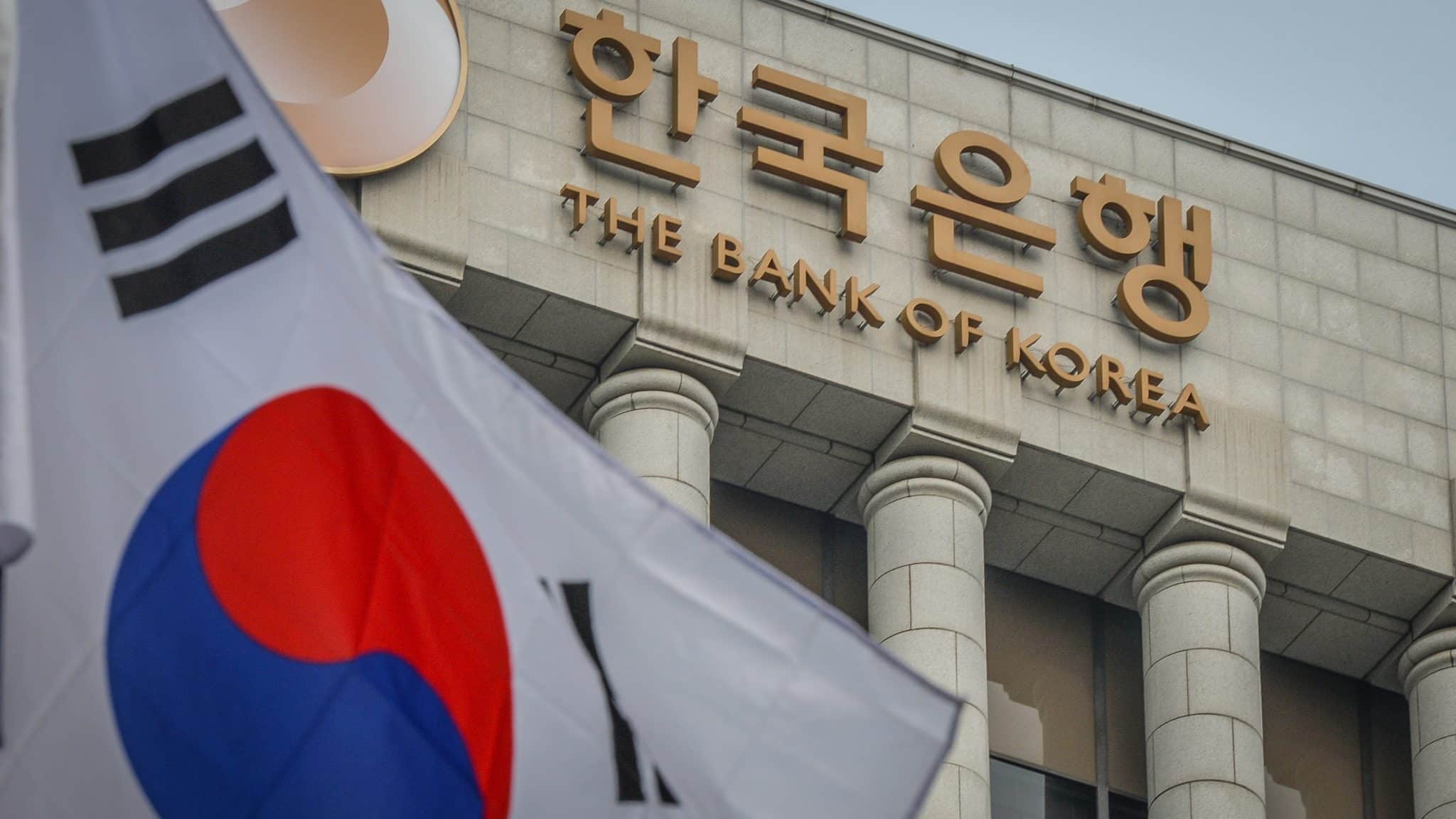
The Bank of Korea (BOK) has suspended its Central Bank Digital Currency (CBDC) pilot program, “Project Han River,” to focus its attention on developing won-backed stablecoins, with supportive government policies and increased market demand.
This decision shows the strategic realignment of South Korea’s digital currency strategy.

CBDC Pilot Paused Following Financial and Policy Hurdles
The BOK has suspended the second phase of its CBDC pilot, initially planned for late 2024, with a potential resumption in 2026.
The first phase, which took place from April to June 2024, involved 100,000 participants and tested payments with merchants like 7-Eleven, according to Ecoinimist. Seven major banks, including KB Kookmin, Shinhan, Woori, and NongHyup, were notified of the delay, with a possible review in 2026.
The suspension is tied to overspending—approximately 5 billion KRW, valued at $3.7 million USD, per bank—and uncertainty about the commercialization strategy.
A senior banking official stated the BOK is awaiting government instruction, particularly as stablecoin policies are becoming popular. This pause reveals both practical reasons and a broad reassessment of digital currency priorities in South Korea’s thriving financial sector.
Eight Banks Join Forces for Won-Pegged Stablecoin Venture
South Korea’s government, led by President Lee Jae-myung, is driving stablecoin adoption through the proposed Digital Asset Basic Act, which permits companies to issue stablecoins with a minimum equity capital of 500 million KRW equal to $370,000 USD.
A consortium of eight banks—KB Kookmin, Shinhan, Woori, NongHyup, Industrial Bank of Korea, Suhyup, Citibank Korea, and SC First Bank—is preparing to launch a won-backed stablecoin by late 2025 or early 2026.
Stablecoins are favored for their lower costs and clearer financial benefits compared to CBDCs. Market demand boosts this decision, with 27% of Koreans aged 20–50 holding cryptocurrencies and 70% planning further investments.
The move affected fintech stocks on June 29, 2025, with KakaoPay dropping 7%, Hecto Financial down by 5%, KB Financial Group up by 0.8%, and Shinhan up 1.6%.
South Korea Navigates Centralized vs. Decentralized Future
The CBDC suspension could delay South Korea’s digital won ambitions, potentially affecting its standing in the global digital currency race.
Stablecoins, with a Q1 2025 trading volume of 57 trillion KRW, worth around $42 billion USD, are attracting attention and growing in relevance. Government-backed policies and bank-led initiatives may speed up stablecoin integration into South Korea’s financial system, especially for payments and cross-border transactions.
South Korea’s tech-driven economy could influence other nations’ digital currency models, as in the same stablecoin-friendly projects like the US GENIUS Act.
However, the long-term impact remains uncertain, with recent reports noting the CBDC’s second phase is “on the brink of collapse” without clearer regulatory guidance.