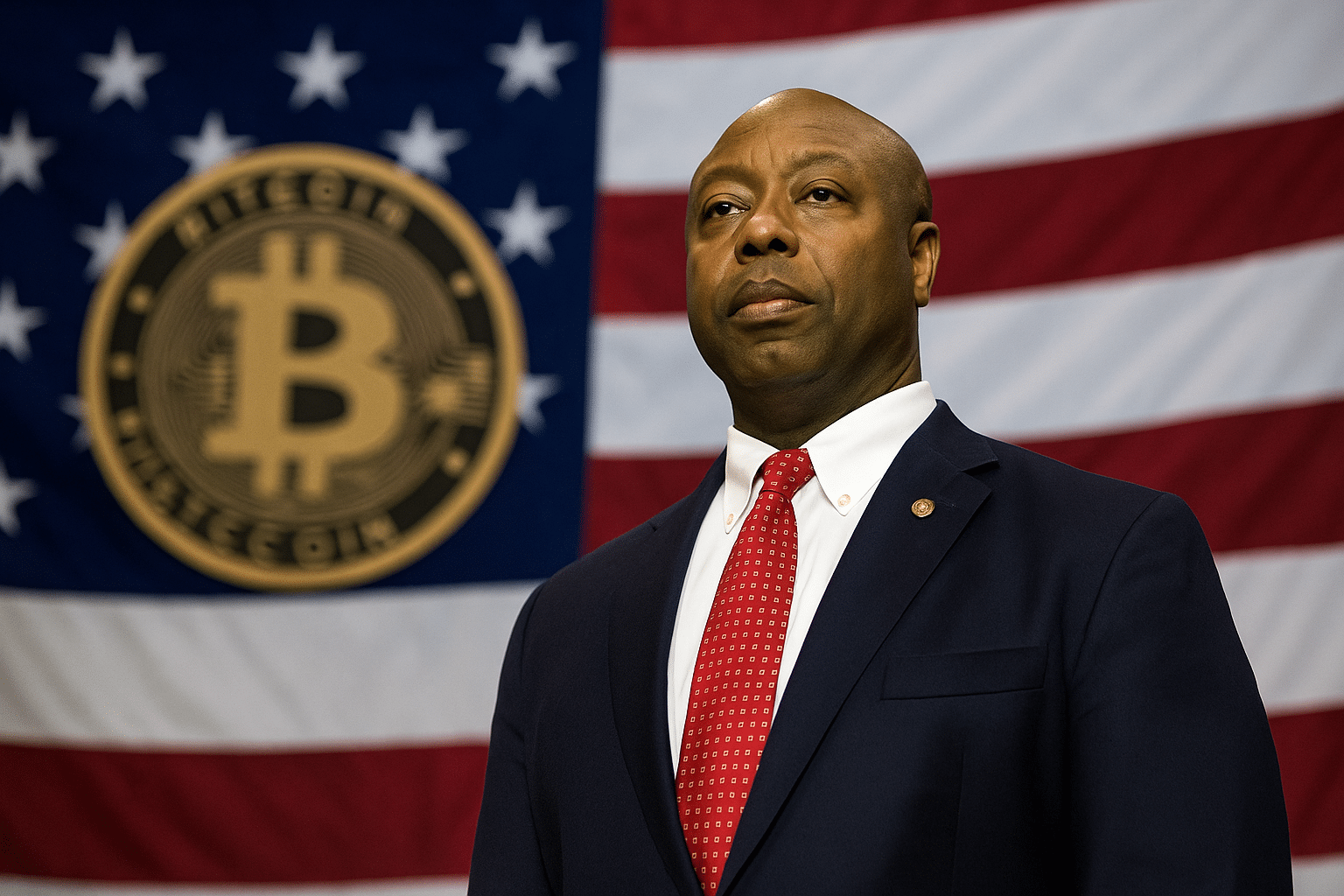
Tim Scott Sets Fall Deadline for U.S. Digital Asset Market Structure Bill
The Senate Banking Committee Chair Tim Scott announced a deadline of Sept. 30, 2025, to pass a digital asset market structure bill to provide better clarity on the regulatory framework for cryptocurrencies.
Speaking in a fireside chat with Senator Cynthia Lummis and White House crypto advisor Bo Hines, Scott explained the bill’s goal to determine whether digital assets are securities and under which regulatory agency they fall – the Securities and Exchange Commission (SEC) or the Commodity Futures Trading Commission (CFTC).
The new deadline extends beyond the previous August target, showing the challenges in drafting and stakeholder coordination. The bill is important to an industry facing regulatory uncertainty similar to the ongoing SEC legal actions against platforms like Coinbase and Binance.
The proposal is in line with Scott’s 119th Congress agenda, announced in January 2025, which makes economic opportunity and financial inclusion with digital assets a top priority.
With the $3.8 trillion cryptocurrency market capitalization, as of June 27, 2025, the transparent regulations are needed. A clear regulatory framework will make the United States a hub for crypto innovation, attracting investment while addressing consumer protection requirements.
Senators Unite on Digital Asset Market Structure Bill, But Legislative Challenges Persists
The digital asset market structure bill has bipartisan support, with Senator Cynthia Lummis, a crypto advocate, actively involved in drafting.
During the June 26 discussion, Lummis endorsed Scott’s timeline, stating, “You’re the chairman, and we will do as you wish.” Scott, Lummis, Senators Thom Tillis, and Bill Hagerty released principles for the bill on June 24, 2025, calling for a “light-touch” regulatory approach to balance innovation and consumer protection.
The digital asset market structure bill is in line with the House’s Digital Asset Market Clarity Act, introduced on June 10, 2025, which also addresses asset classification and regulatory oversight.
Coordination with the Senate Agriculture Committee, which oversees CFTC-related matters, remains a challenge, as it has not matched the Banking Committee’s urgency. Senate and House differences, particularly on bills regarding stablecoins like the GENIUS Act, might stall the progress.
The GENIUS Act, which was approved by the Senate on June 17, 2025, with a 68-30 vote, is pending House review, with President Donald Trump urging for quick action.
In April 2025, Representative Ro Khanna expressed his stance that both the market structure bill and stablecoin bill could pass this year, citing bipartisan support despite obstacles.

Crypto’s Future Relies on Senate’s Fall Deadline
The Sept. 30 deadline has attracted the attention of stakeholders in the cryptocurrency industry.
If passed, the bill could resolve the longstanding disputes over digital asset classification, reducing legal uncertainties for crypto companies and promoting United States-based innovation.
The EU’s Markets in Crypto-Assets (MiCA) regulation, effective in 2023 with full implementation by December 2024, shows signs of global competition and the pressing need for the United States to take action.
Lummis hopes to complete the draft before the August recess for September markup, but falling behind schedule could delay passage to 2026, disappointing stakeholders like Lummis, who stated the urgency of both the market structure and GENIUS Act bills.


