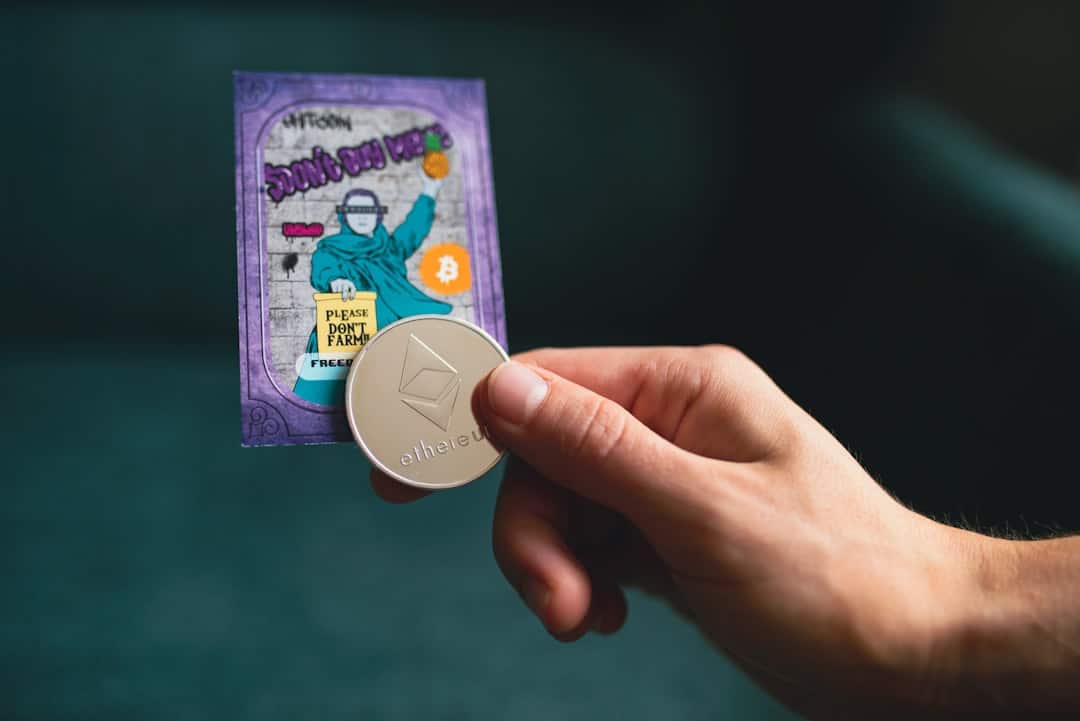
How NFTs are Shaping the Future of Digital Ownership: A Deep Dive into Web3 Innovations
Non-Fungible Tokens (NFTs) are a type of cryptographic asset built on the blockchain. Unlike cryptocurrencies like Bitcoin and Ether, which are fungible and share an equal value with each unit, NFTs are unique, implying that no two NFTs can be the same due to encoded intrinsic details. Catering to this uniqueness, these digital assets are evolving as a promising medium of verifying and protecting digital ownership rights with ease and security.
This ability has allowed them to gain acceptance in various industries, including, quite remarkably, the art-world. Artists can mint their art pieces into NFTs, locking their unique identity and creating a genuine, tamper-proof certificate of ownership, that can be sold and bought like a typical artwork. But NFTs are not just confined to digital art, they also encompass digital items in video games, digital real estate, digital collectibles, and even tweets.
NFTs and the Future of Digital Ownership
The unprecedented level of freedom and security NFTs provide to digital assets’ creators and owners is significantly reshaping the scope of digital ownership. Using blockchain technology, the original and every subsequent transaction of a digital asset is securely recorded, creating an immutable and publicly accessible lifecycle of the asset.
This not only assures the original creators of rightful royalties every time their asset exchanges hands, but also helps buyers confidently validate the authenticity and ownership history of the asset. In simpler terms, these digital assets have empowered digital assets with a lifelong certificate of authenticity and ownership.
In the coming years, this robust and transparent structure of NFTs could become an industry standard for securing ownership rights in areas beyond digital art and music. As estates and properties go digital, NFT tokenization of these assets could substantiate an individual’s digital ownership claims and ensure seamless, clear-cut property transactions.
NFTs: A Web3 Innovation

Image credit: Photo by Shubham Dhage on Unsplash
Quite often, NFTs are associated with Web3, an emerging new phase of the internet that champions a decentralized, peer-to-peer network. In this Web3 internet model, users regain control over their digital footprint, shaking off the contemporary data-exploiting architectures of Web2, controlled by a handful of tech giants.
Within this structure, NFTs align flawlessly. Like Web3’s fundamental ideology, NFTs pertain to a philosophy of decentralization and user control. By facilitating a decentralized network of asset ownership validation, NFTs are shaping the Web3 environment to a significant extent.
The integration of NFTs in the realm of Web3 is not merely limited to a philosophical alignment. With projects like Decentraland, a virtual environment where users can buy and sell digital real estate as NFTs, NFTs are contributing to the manifestation of the Web3 ecosystem as well. It wouldn’t be of surprise if NFTs and similar blockchain-backed technologies become the building blocks of the Web3 internet.
Challenges
Image credit: Photo by Markus Winkler on Unsplash
While NFTs show immense potential in revolutionizing digital ownership and hint towards a more democratic Web3 realm, they’re not without problems. The largely unregulated nature of NFTs raises risks of fraud, money laundering, and copyright infringement. Moreover, the ecology and sustainability aspects linked with the energy-consuming minting process of NFTs cannot be overlooked.
There are also apprehensions over the “speculative bubble†nature of the NFT market. A digital artwork by Beeple sold for a record $69 million at Christie’s, leading many to question the inflated valuation of NFT-backed assets. The volatility of such a marketplace creates an unpredictable environment that could lead to financial losses.
It is crucial for creators, users, and regulators to be cognisant of these challenges and collaboratively work towards creating more robust, secure, and responsible structures around handling NFTs.
Conclusion
NFTs are a groundbreaking innovation, offering a promising solution to the long-standing issue of digital ownership. While the potential of NFTs in shaping the future of digital ownership is immense, navigating through their challenges is paramount for a sustainable and fair digital environment. With the advent of Web3, the ties between these digital assets and the internet user experience are bound to deepen, redefining the dynamics of digital interaction, creation, sharing, and most importantly, ownership.


