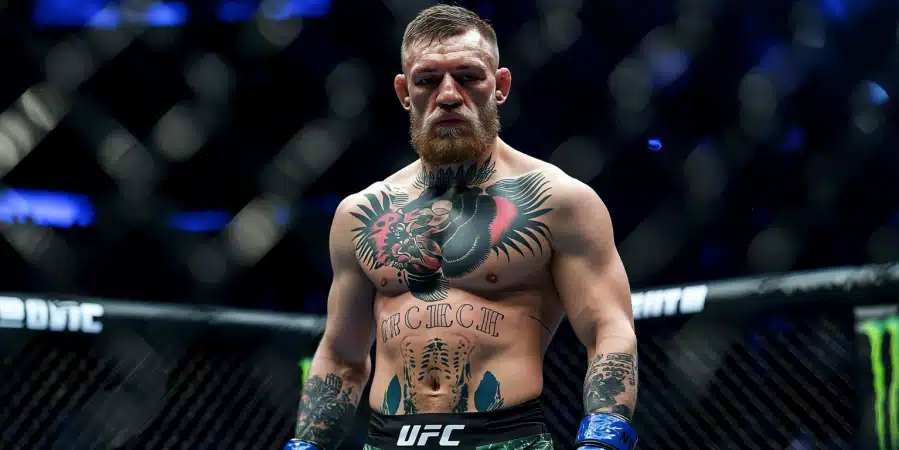
Conor McGregor’s REAL Token Flops—Full Refunds Issued After Missed Target
The highly anticipated REAL token project backed by UFC star Conor McGregor has failed to meet its $1 million fundraising minimum, prompting developers to issue full refunds to investors.
Despite high expectations, the presale for the REAL (REAL) token raised just $392,315 over a 28-hour period on April 5 and 6. Developed by Real World Gaming (RWG), the token aimed to sell 60 million REAL tokens—representing 3% of its 2 billion total supply—at a starting price of $0.06 per token. The offering targeted a fully diluted valuation of $120 million but drew only 668 participants.
Also read: Meme Coins Lose $70 Billion Since December – What’s Next?
“We need to be real. We didn’t hit our minimum raise,” RWG said in a post on X dated April 6, adding, “All bids will be refunded in full.” Despite the shortfall, the team signaled future intentions, stating, “This is not the end.”

McGregor’s Pitch for a Real Token
McGregor, who has transitioned from UFC champion to entrepreneur and political hopeful in Ireland, touted the token as more authentic than typical celebrity-backed crypto ventures, which often end in controversy or “rug pulls.”
“This isn’t some celebrity-endorsed bullshit token,” McGregor stated in a message. “It’s a REAL game changer that will improve the crypto ecosystem and make REAL change in the world.”
The token’s launch coincided with a severe downturn in financial markets. Bitcoin prices were slipping, and global equities suffered a historic $6.6 trillion loss on April 3 and 4, driven by recession concerns linked to US President Donald Trump’s tariff plans.
Simultaneously, the once-thriving meme coin market continued to shrink. Following scandals like the Libra (LIBRA) token tied to Argentine President Javier Milei, investor confidence has waned.
Also read: Milei and LIBRA: Argentina’s President Caught in Crypto Fraud Allegations
Uncertain Future for REAL Token
While McGregor’s brand brought attention to the project, volatile market conditions and broader crypto skepticism likely hindered its success. The team now faces the challenge of regrouping and potentially relaunching amid a more favorable climate.
Though investors will get their money back, questions remain: was this just poor timing—or a misfire from the start?


