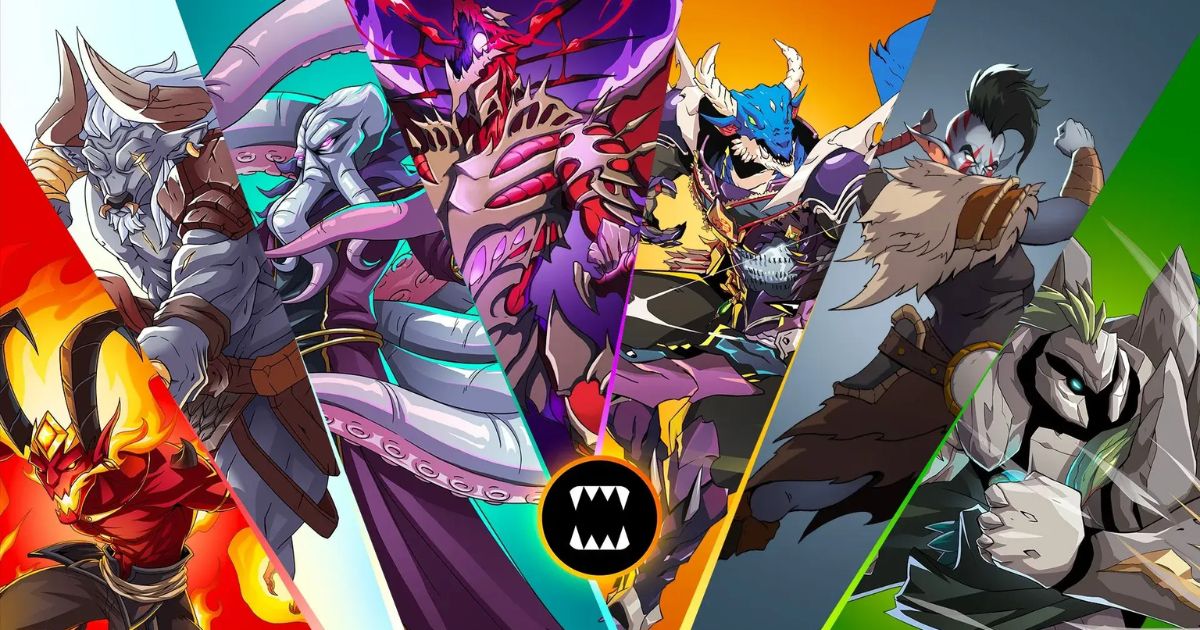
Splinterlands: Dominating the Digital CCG Arena
Splinterlands is a fast-paced digital trading card game built on blockchain technology, where players can collect, trade, and battle with digital cards. What sets Splinterlands apart is its integration of non-fungible tokens (NFTs), which allows players true ownership of their cards. This means that every card you own has unique value and rarity, adding a layer of excitement and potential profit to the gameplay.
Players can earn rewards, crypto, and in-game prizes by engaging in battles and completing various challenges. With a rapidly growing community spanning over 100 countries, Splinterlands offers a dynamic environment for both casual gamers and competitive players alike. The game’s accessibility is enhanced by its compatibility with platforms like MetaMask, making it easy to jump into the action.
To start earning and enhancing their experience, players need to pay a $10 fee to unlock the full earning feature. This small investment opens up a world of strategic card battles, where players must level up their cards and out-think opponents to win matches and gain valuable rewards.

Gameplay and Mechanics
Splinterlands is a collectible card game that combines strategic deck building with competitive battles. This section covers the various card types, the intricacies of the battle system, and details about tournaments and events.
Card Types and Rarity
In Splinterlands, cards are categorized by types and rarity. Players have access to creature cards and summoner cards.
- Creature Cards: Represent different monsters ranging from melee attackers to spellcasters.
- Summoner Cards: Provide abilities that influence the performance of creature cards in battles.
Each card also has a rarity level: Common, Rare, Epic, and Legendary. Higher rarity cards tend to have stronger abilities and stats. Collecting and leveling up cards by combining duplicates enhances their potency. Gold Foil Cards offer unique visual aesthetics and boosted statistics compared to standard cards.
Battle System
Splinterlands’ battle system is turn-based and involves strategy before and during combat. Players draft a team using a selected summoner and associated creature cards.
- Mana Cap: Each match has a mana limit, which dictates the total cost of cards in a player’s deck.
- Battle Formation: Players position cards in specific slots that impact gameplay dynamics such as attack order and effectiveness.
Once the setup phase is complete, battles are automated, allowing the strategy to unfold based on card abilities and positioning. Winning battles enhances a player’s rank and rewards them with in-game currency and resources.
Tournaments and Events
Tournaments and events add an extra level of engagement in Splinterlands. Players compete in scheduled tournaments that offer significant rewards.
- Leagues: Players are divided into leagues based on their ranking and collection power.
- Special Events: Occur periodically, often introducing unique challenges or rules.
Participation in these events not only provides rewards like cards and DEC (Dark Energy Crystals) but also fosters community interaction. Competitive success can elevate players to higher leagues, where the stakes and rewards are even greater.
Tournaments vary in format, catering to different skill levels from beginners to veterans. Regular participation in tournaments and events is essential for those looking to advance quickly in Splinterlands.

Economic Model
Splinterlands utilizes a sophisticated economic model based on cryptocurrency integration and decentralized asset ownership, enabling a thriving marketplace within the game.
Cryptocurrency Integration
Splinterlands integrates blockchain technology to enhance its economic infrastructure. The game primarily operates on the Hive blockchain, leveraging it for secure and transparent transactions. In-game currency, Dark Energy Crystals (DEC), serves multiple purposes such as purchasing cards, renting assets, and participating in battles.
Blockchain smart contracts automate processes, ensuring fairness and reducing the risk of fraud. This integration incentivizes players to engage continuously, as earnings and transactions are secure and typically irreversible. The stability and scalability of Hive ensure that the game can support a growing user base without compromising performance.
Related: Rollercoin: A Comprehensive Guide to Earning Crypto
Asset Ownership and Trade
In Splinterlands, players own their digital assets as non-fungible tokens (NFTs). Each card in the game is an NFT, giving players full ownership rights over their in-game items.
This ownership allows players to trade, rent, or sell their cards on various marketplaces. The economic model encourages strategic investment, as rare and powerful cards can significantly appreciate over time. Moreover, the scarcity of certain cards boosts their value, fostering a competitive environment.
By integrating this unique asset ownership model, Splinterlands creates a dynamic economy where user-owned assets play a central role, enhancing both player engagement and the game’s liquidity.
Community and Ecosystem
The Splinterlands community thrives on active engagement and player participation within a dynamic ecosystem. Various guilds and partnerships enhance collaborative gameplay, while player-driven governance ensures decentralized decision-making.
Guilds and Partnerships
Guilds in Splinterlands provide players with opportunities to collaborate and compete as teams. Joining a guild grants access to exclusive in-game benefits, including shared resources and coordinated strategies. Players often find guilds through platforms like Discord and Telegram, which host dedicated Splinterlands communities.
Related: Axie Infinity: Revolutionizing Digital Collectibles and Gaming
Partnerships with other blockchain projects and gaming communities expand Splinterlands’ reach. These collaborations introduce new mechanics, special events, and cross-promotion opportunities. For instance, players might earn rewards based on in-game achievements or participate in crossover events with partnered games, fostering an interconnected gaming experience.
Player-Driven Governance
Splinterlands features a decentralized governance model anchored by SPS tokens. These governance tokens allow players to influence game development and ecosystem changes. Players holding and staking SPS can vote on proposals, ranging from game balance adjustments to feature additions.
This governance structure ensures the community’s voice is reflected in the game’s evolution. Active participation in governance can also provide additional rewards, incentivizing players to engage deeply with the system. As a result, decision-making in Splinterlands is a collective process that aligns with the community’s interests and contributes to the game’s sustained development.


