Donald Trump Pledges to Block Central Bank Digital Currency in the U.S.
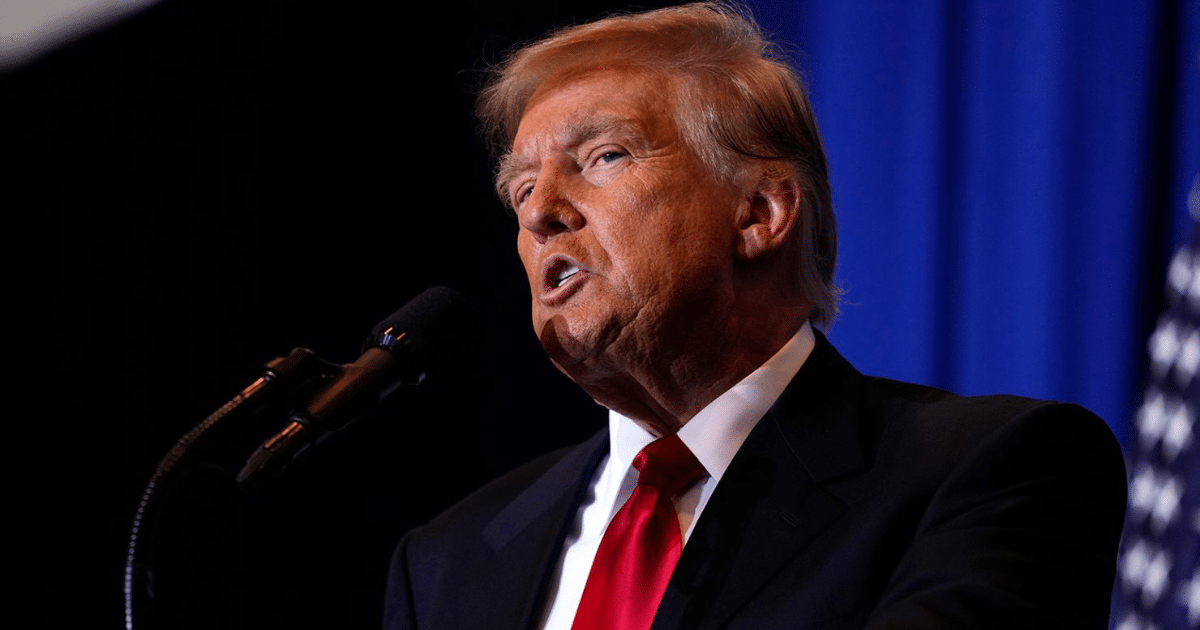
In a significant development in the world of finance and politics, former U.S. President and current presidential candidate Donald Trump has made a bold declaration regarding the future of digital currencies in the United States. During a campaign speech in Portsmouth, New Hampshire, Trump vowed to prevent the creation of a Central Bank Digital Currency (CBDC) by the Federal Reserve, a statement that has sparked widespread discussion and debate.
The Promise Against CBDC Made By Donald Trump
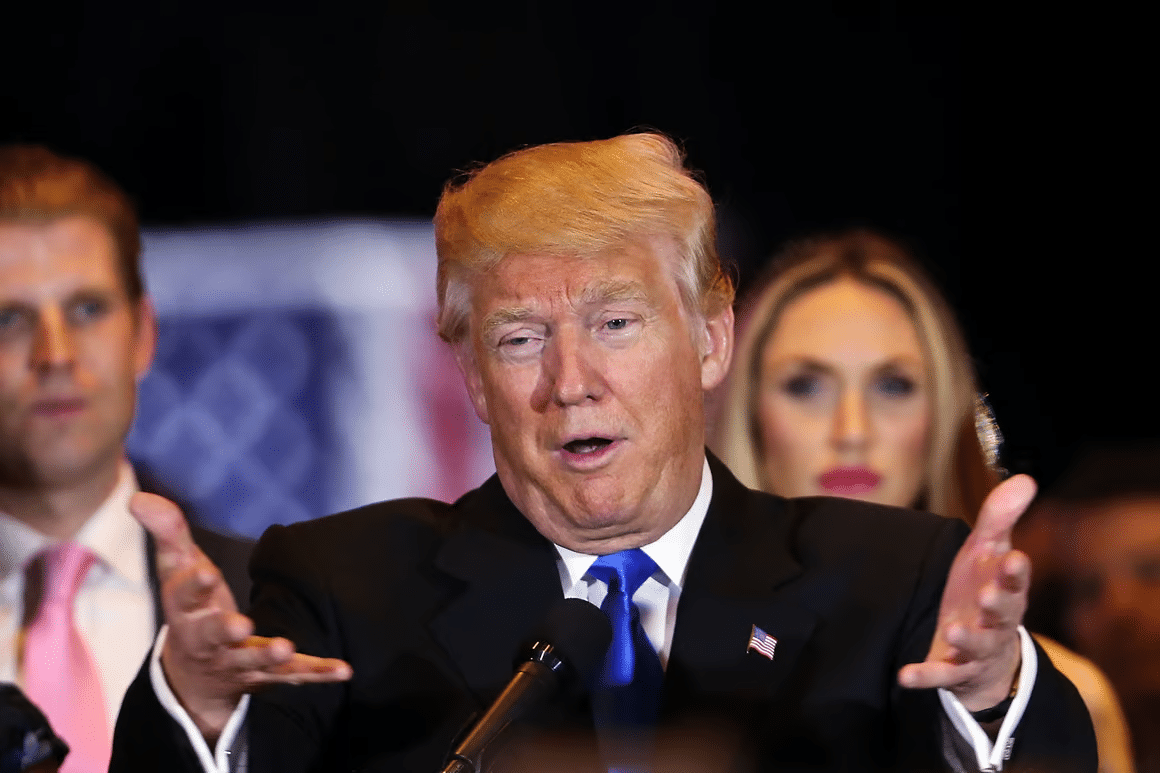
Trump’s pledge, “I will never allow the creation of a central bank digital currency,” was met with enthusiastic applause from the audience. This statement aligns with his broader political agenda of protecting American freedoms from what he perceives as government overreach. Trump articulated his concerns, suggesting that a CBDC would grant the federal government excessive control over individual finances, potentially leading to scenarios where citizens’ funds could be manipulated or seized without their knowledge.
The Political Context
This announcement comes in the wake of Trump’s formal declaration of his candidacy for the 2024 U.S. presidential election, scheduled for November 5, 2024. Trump, known for his controversial challenge of the 2020 election results, has re-entered the political arena with a focus on policies that resonate with his base, including strong stances on financial autonomy and freedom.
Donald Trump Compared with Other Candidates
Trump’s stance on CBDCs is not unique in the current political landscape. Florida Governor and fellow presidential candidate Ron DeSantis previously made a similar pledge, promising to ban central bank digital currencies on his first day in office. However, DeSantis, despite his efforts, has consistently trailed behind Trump in polls.
The Republican primary has seen various candidates with differing views on digital currencies. Vivek Ramaswamy, another contender who recently endorsed Trump, had proposed a crypto-focused policy framework before dropping out of the race. His exit and endorsement of Trump suggest a potential influence on Trump’s policy agenda regarding digital currencies.
The Broader Implications
The debate over CBDCs is part of a larger conversation about the role of digital currencies in modern economies. Former U.S. Securities and Exchange Commission enforcer John Reed Stark emphasized the importance of this issue in the upcoming election, suggesting that every presidential contender should appoint a Crypto Czar to focus on cryptocurrency policies.
Trump’s declaration against the creation of a CBDC in the United States marks a significant moment in the intersection of digital currency policy and presidential politics. As the 2024 election approaches, the stance of presidential candidates on this and other tech-related issues will likely play a crucial role in shaping the future of digital currencies in the U.S. and potentially, the global financial landscape.


