Why BitMine Remains One of Korea’s Most Bought Foreign Stocks After a Wipeout
South Korean retail traders have continued to pile into Ether-focused treasury company BitMine Immersion Technologies even after the U.S.-listed stock collapsed more than 80% from its July peak, turning the company into one of the clearest examples this year of speculative demand surviving a near-total wipeout.

BitMine share price over the past 6 months (Source: Google Finance)
Despite the steep drawdown, BitMine is on track to finish 2025 as one of the most actively bought overseas equities among South Korean investors.
The stock ranks second only to Alphabet in net foreign buying, according to Korea Securities Depository data cited by Bloomberg. Local investors have poured a net $1.4 billion into the company this year, remaining buyers even as the share price slid roughly 82% from its July 3 high.
BitMine’s Shift To An Ether Treasury
BitMine’s dramatic rise began after the company announced a strategic pivot away from Bitcoin mining toward building a dedicated Ether treasury.
The move repositioned the firm as a publicly listed vehicle designed to accumulate ETH, offering equity investors an indirect way to gain exposure to Ethereum’s price movements.
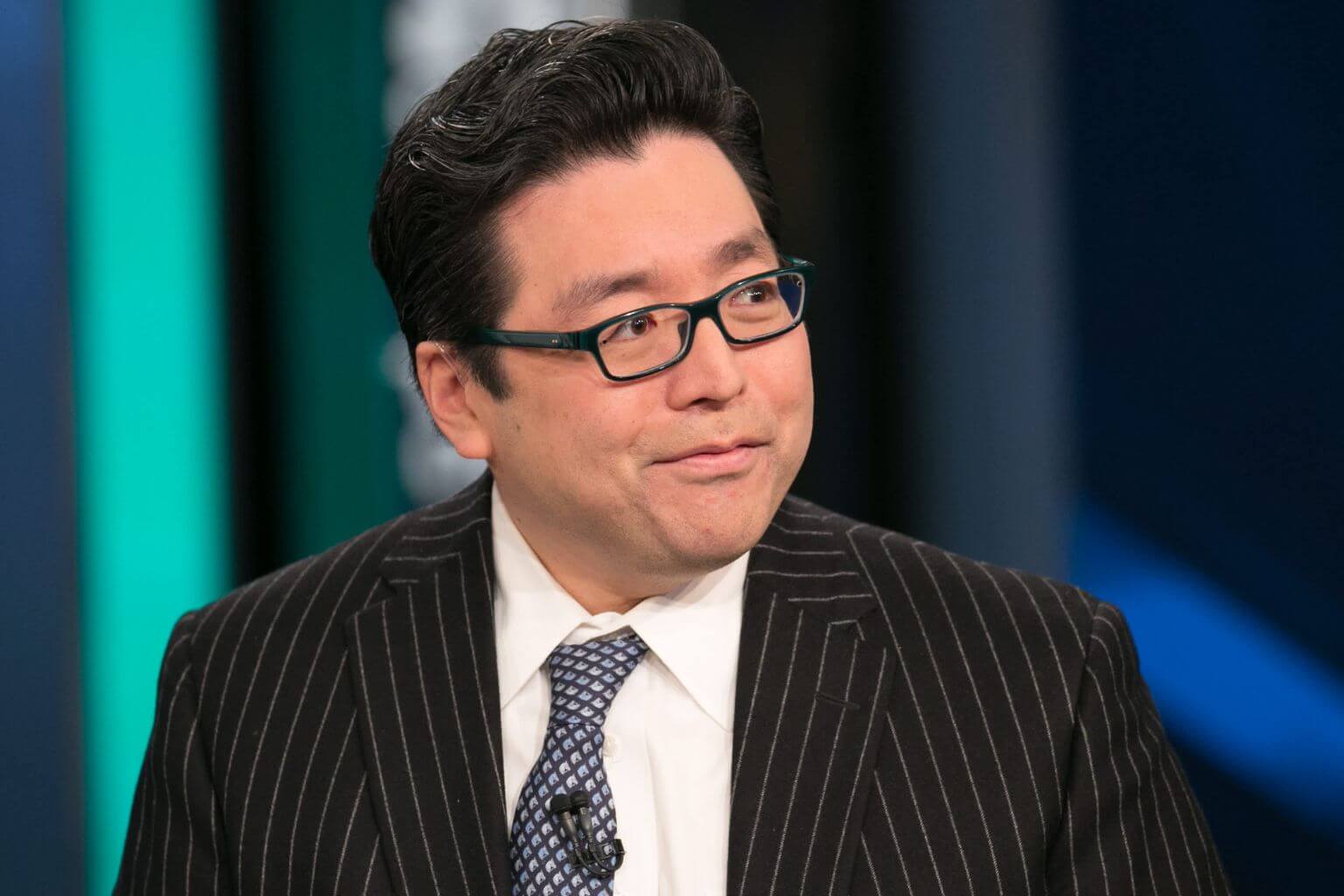
That strategy sparked a rally of more than 3,000% into early July, briefly lifting BitMine from obscurity into the top ranks of foreign stocks favored by South Korea’s retail trading community. The company is backed by billionaire investor Peter Thiel and led by Tom Lee, a Wall Street strategist long known for his bullish views on crypto markets.
The subsequent collapse did little to deter Korea’s so-called “ant investors,” a term used locally to describe highly active and risk-tolerant retail traders.
Leveraged Products Magnify Risk
The speculative appetite has not been limited to BitMine’s common stock.
South Korean traders have also sought higher-octane exposure through the 2X Long BitMine Daily Target ETF issued by T-Rex, a product designed to deliver twice the stock’s daily performance.
Investors have funneled about $566 million into the leveraged ETF, even as it has fallen roughly 86% from its September peak.
A Balance Sheet Built On Ether
BitMine’s continued appeal is closely tied to its balance sheet rather than short-term share price action.
The company now holds roughly $12 billion worth of Ether, making it the largest digital-asset treasury company focused exclusively on ETH, according to data compiled by strategicethreserve.xyz.
That stockpile continues to grow. On Tuesday, BitMine purchased $97.6 million worth of Ether, acquiring 32,938 ETH, according to blockchain analytics firm Nansen. Its total holdings now stand at about 4.07 million ETH. The company also staked an additional 118,944 ETH, extending its strategy of generating passive yield alongside balance-sheet expansion.
Despite broader market weakness, BitMine has accumulated more than 77,400 ETH since last Monday and has purchased over 40,000 ETH per week for at least 10 consecutive weeks.
Lee has described the firm as the largest source of “fresh money” buying Ether in the market.
Year-End Pressures Weigh On Crypto Markets
Ether itself is down about 11% in 2025, according to CoinGecko market data. The token reached a record near $5,000 in August, helped by aggressive accumulation from listed treasury companies, before the rally faded.

ETH price performance over the past year (Source: CoinGecko)
Lee said recent price stagnation reflects seasonal factors rather than a shift in long-term fundamentals.
He pointed to year-end tax-loss selling in the United States, which typically intensifies in the final days of December, as well as reduced institutional participation during the Christmas period. With many large investors on the sidelines, algorithmic trading has come to dominate market activity.
As a result, the total crypto market capitalization has hovered around $3 trillion for roughly two weeks.
Convexity Keeps Retail Traders Engaged
For South Korean retail traders, BitMine’s attraction lies less in stability and more in convexity. Ether treasury companies trade as amplified proxies for ETH, layering corporate equity risk on top of crypto’s inherent volatility.
That structure can generate outsized gains during strong momentum phases and equally sharp drawdowns when sentiment turns. BitMine’s continued popularity, even after an 80% collapse, shows the speculative mindset that defines Korea’s retail trading culture.